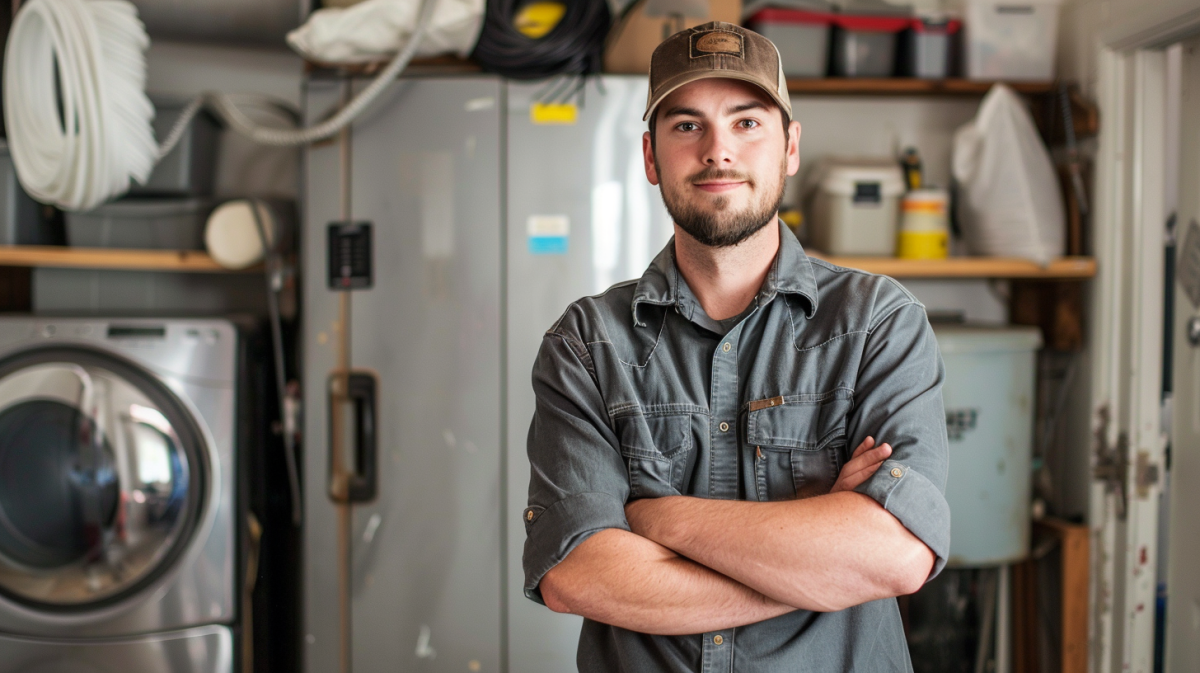
Electrical work sits in an awkward middle ground - simple enough that YouTube makes it look easy, complicated enough that mistakes can burn your house down. Here's how to figure out which projects you can handle and when to call in a pro.
Whether you just bought your first place or you're upgrading a starter home, electrical decisions come down to three things: safety, code compliance, and honest assessment of your skill level. I learned this the hard way - I thought I could handle a simple outlet installation until I opened the wall and found knob-and-tube wiring from the 1920s. That's when I called a pro.

Things We Loved About Virgin Voyages That You Won't Find On Other Cruises
Here are some of the things we loved about sailing on Virgin Voyages Scarlet Lady.

Visiting John Wayne's Birthplace & Museum: American Icon That Shaped Modern Masculinity
Tour of the John Wayne Birthplace and Museum in Winterset, Iowa - celebrating 40 years of operation in 2022.

Cruise Ship Wi-Fi Explained for First-Time Cruisers
First-time cruiser connectivity made simple: ship Wi-Fi versus cellular day passes, which cruise lines include internet, security considerations for banking, and practical strategies to match your usage without overspending.

Austin Texas Guys Trip: Grab Some BBQ, Listen to Great Music, and Get a Little Weird
If you dream of BBQ, live music, golf, and getting a little bit weird then Austin, Texas is a great town that is perfect for a quick weekend getaway.

Transportation Guide For A Dubai Guys Trip: How To Get Around Dubai Safely and In Style
Dubai transportation guide: Metro, luxury car rentals, traditional abras, airport transfers. Navigate supercars, public transport, and unique experiences. Perfect for guys seeking efficient travel in this premium destination.
Promoted by FlowAds

Home Improvement Projects That May Require An Electrician
Your comfort level with electrical work is personal. What feels manageable for someone who grew up helping their dad wire a basement might be way over your head if you've never opened a breaker box. That said, some projects - like replacing circuit breakers or adding 240V outlets for dryers and hot tubs - are dangerous enough that even experienced DIYers should hire out.
| Home Improvement Task | DIY or Professional? | Details |
|---|---|---|
| Replacing a light fixture | DIY | Turn off breaker, test with voltage tester ($15-30), 20-30 min |
| Installing a new electrical outlet | Professional | $150-300 typical cost, requires permit in most areas |
| Replacing a circuit breaker | Professional | $150-250 per breaker, safety-critical work |
| Installing a ceiling fan | DIY or Professional | DIY if pre-wired (30-45 min); $150-350 if new wiring needed |
| Changing a light switch | DIY | 15-20 minutes, basic tools only |
| Installing outdoor lighting | DIY or Professional | DIY for plug-in ($0); hardwired runs $200-500 |
| Upgrading the electrical panel | Professional | $1,500-3,000+ for 200-amp upgrade |
| Adding dimmer switches | DIY | $20-50 for switch, 20 min if replacing existing |
| Wiring a home theater system | DIY or Professional | DIY for basic setups; in-wall wiring needs permits |
| Installing smart home devices | DIY | Generally designed for easy installation, 10-30 min |
The same DIY-versus-pro logic applies to plumbing work - some tasks are straightforward, others need a licensed professional. Let's look at the broader factors that should guide your decision on projects not listed above.
What Can Actually Go Wrong
The biggest difference between electrical work and most other home projects is that mistakes don't just look bad - they can kill you or burn your house down months after the work is "finished."
Here's what I wish someone told me when I started tackling home projects: even changing a light fixture requires understanding which wire is hot. A non-contact voltage tester costs $15-30 and takes the guesswork out of whether power is actually off. Buy one before you do anything electrical. Wear safety gloves and glasses at minimum, and if the project involves complex wiring or your main panel, stop and hire a licensed electrician.
If you attempt DIY wiring and the breaker trips repeatedly, stop immediately. This signals a short circuit or overloaded circuit - both fire hazards. Reset once. If it trips again, call an electrician. Don't keep resetting hoping the problem resolves itself; you could be igniting a fire behind your walls.
Other warning signs that mean "put the tools down and call a pro":
- Burning smell from outlets or switches
- Sparks when plugging in devices
- Warm or discolored outlet covers
- Lights that flicker when appliances turn on
- Buzzing sounds from outlets or your breaker box
An electrical fire caused by faulty DIY wiring can happen long after the work is done - and your homeowner's insurance can deny the claim if they find unpermitted work caused the damage. Licensed electricians carry insurance for exactly this reason.
Complexity: Know Where the Line Is
If you're just swapping a light switch or installing a fixture where wiring already exists, you can probably handle it with basic tools and a voltage tester. Budget 15-30 minutes for these simple projects, and you'll save $100-200 in service call fees.
But projects involving the main service panel, running new circuits, or working with 240V appliances need professional help. These aren't just more complicated - they're genuinely dangerous, and mistakes can fail inspection or worse.
Be honest with yourself about the scope. If you can't visualize how the circuit works or you're uncomfortable at any point, the $150-300 you might save isn't worth the risk.
Pro tip: If your breaker box has aluminum wiring - common in homes built between 1965 and 1973 - hire an electrician even for simple outlet work. Aluminum oxidizes over time and creates fire risk with improper connections. A quick look at your breaker box tells you what you have: copper wiring is orange/brown, aluminum is silver/gray.
Local Building Codes Aren't Optional
Get familiar with local building codes before starting any electrical work. These aren't bureaucratic red tape - they exist because specific wiring methods have caused fires and electrocutions in the past.
Code violations can result in fines when you sell your house, and insurance companies can deny fire claims tied to unpermitted electrical work. As a new homeowner, this is especially important: the previous owner's DIY electrical work becomes your liability the moment you sign the closing papers.
A licensed electrician already knows these codes and pulls permits when needed. If you're committed to DIY, at least consult with an electrician before starting - most will do a quick consultation for $75-150, which is cheaper than fixing code violations later.
Your Breaker Box Is Off Limits
Your main electrical service panel is the one place where DIY confidence should disappear entirely.
Working inside the breaker box means being inches away from live 240V connections that can kill you instantly. Licensed electricians have specific training to work safely around these high-voltage connections and understand load calculations, proper grounding, and technical requirements that go well beyond YouTube tutorials.
Attempting panel work risks electrocution, fire, and invalidating your homeowner's insurance. Some things are worth paying for, and this is at the top of the list.
Budget reality: Panel upgrades typically run $1,500-3,000 for a 200-amp service, which is standard for modern homes. If money's tight right now, start with a panel inspection ($100-200) to understand what you're working with and plan the upgrade for when you're ready. When the budget opens up down the road, a whole-home electrical inspection ($200-400) paired with smart panel technology gives you real-time monitoring of your entire system - that's the kind of upgrade that adds both safety and resale value.
The Rule That Keeps You Out of Trouble
The money you spend on an electrician is cheaper than rewiring after a fire, cheaper than a hospital visit, and definitely cheaper than explaining to your insurance company why you did unpermitted electrical work. For guys just getting into homeownership, here's the rule I follow: if the project takes more than 30 minutes to research, requires more than a screwdriver and voltage tester, or makes you nervous at any point - call a pro. While you're thinking about the systems running behind your walls, it's worth making sure your home is protected from water damage too - a $30 leak detector and a $15 tube of crack filler share the same philosophy. Small investments now, no catastrophic surprises later. Your first house is for learning what you can handle, not for gambling on electrical fires. There's no shame in knowing your limits - that's actually one of the smarter things about owning a home.
Hey James Hills wants you to share this!