
Your 30s are when the gap between feeling fine and actually being fine starts to widen. Most of the health conditions that derail men later in life - heart disease, diabetes, obesity, low testosterone - don't announce themselves with dramatic symptoms. They build quietly through your 30s while you're focused on career, relationships, and everything else competing for your attention.
Here's the honest truth about your 30s: your body stops giving you a free pass. The metabolism that let you eat whatever you wanted in your 20s, the recovery time that let you bounce back from anything, the energy that seemed unlimited - all of it starts shifting. The good news is that your 30s are also the decade where small, consistent investments in your health pay the biggest long-term dividends.

A Guys Guide to Having A Fun Guys Weekend in New Orleans
A guys weekend getaway guide for men looking to have fun in New Orleans.
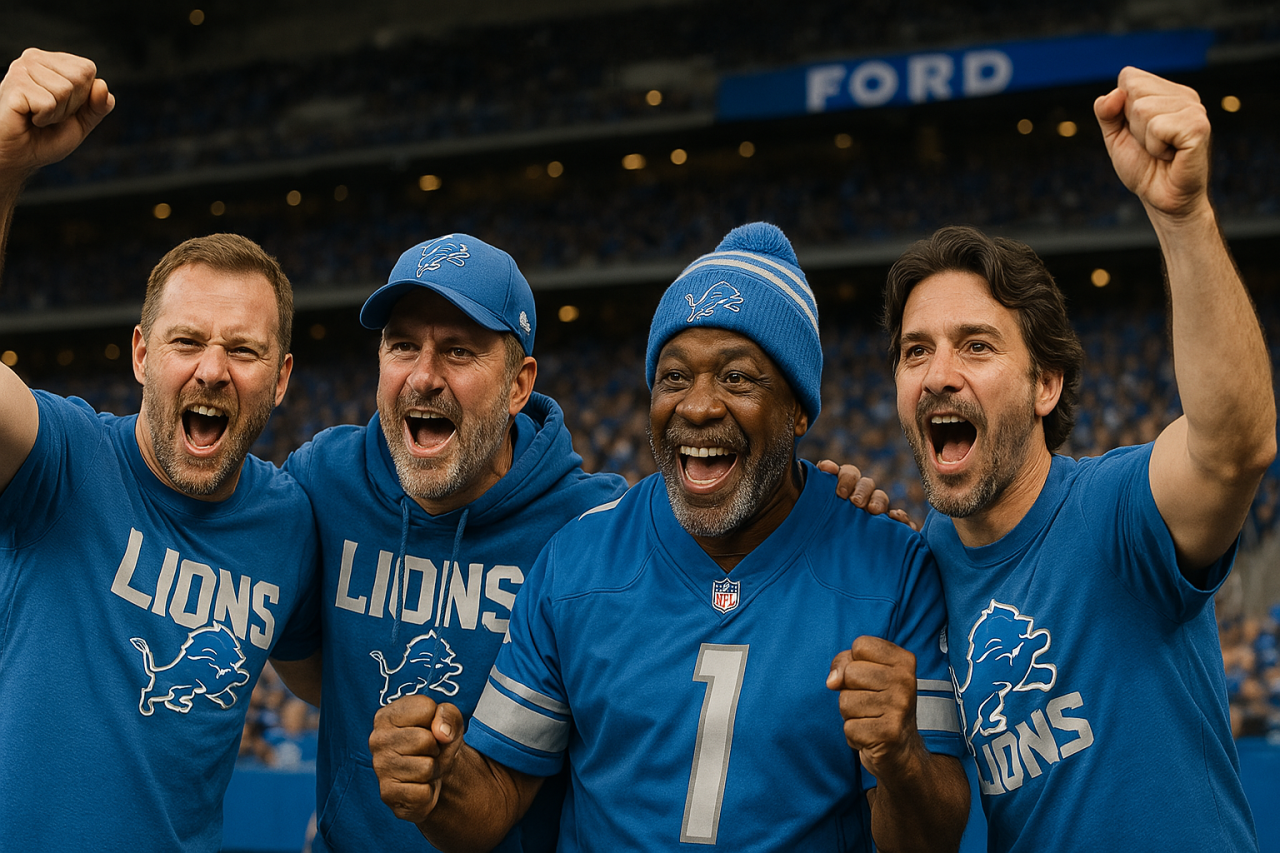
Ultimate Guys Football Weekend in Detroit: Lions, Tailgating, and Motor City Madness
Experience the ultimate guys weekend in Detroit with this 3-day itinerary built around a Lions game at Ford Field. Discover downtown accommodations, tailgating spots, local eats, and Motor City attractions.

Cruise Ship Wi-Fi Explained for First-Time Cruisers
First-time cruiser connectivity made simple: ship Wi-Fi versus cellular day passes, which cruise lines include internet, security considerations for banking, and practical strategies to match your usage without overspending.

Eight Dangers To Avoid On A Mexican All-Inclusive Resort Guys Getaway
Discover essential safety tips for your Mexican all-inclusive resort vacation. Learn how to avoid common dangers while maximizing fun at top destinations in Cancun, Cabo, and beyond.

Things We Loved About Virgin Voyages That You Won't Find On Other Cruises
Here are some of the things we loved about sailing on Virgin Voyages Scarlet Lady.
Promoted by FlowAds

The Body Composition Shift You Probably Haven't Noticed Yet
The most significant physical change happening in your 30s is one you can't see on a scale. Research published in the Journal of Cachexia, Sarcopenia and Muscle shows that adults begin losing 3 to 8% of their muscle mass per decade after age 30 - a process called sarcopenia. At the same time, body fat tends to increase by roughly 1% per year if left unchecked.
Here's the counterintuitive part: a landmark 2021 study published in Science analyzing over 6,400 people found that your core metabolic rate doesn't actually decline between ages 20 and 60. The real problem is muscle loss. Less muscle means fewer calories burned at rest, which means the same eating habits that kept you lean at 25 start adding weight at 35. The fix isn't complicated - even two 30-minute strength training sessions per week can significantly slow muscle loss - but you have to start before the gap widens.
Protein intake matters more now too. Research suggests that men in their 30s and beyond benefit from consuming approximately 0.8 to 1.2 grams of protein per kilogram of body weight daily. For a 200-pound man, that's roughly 72 to 110 grams of protein per day.
Sleep, Testosterone, and the Confidence Connection
Testosterone levels drop about 1% per year after age 30. By itself, that's a gradual decline most men won't notice year-to-year. But compounding factors - poor sleep, stress from building your career or adjusting to life as a new dad, weight gain - can accelerate that decline and hit your energy, mood, confidence, and sex drive harder than the numbers alone suggest.
Sleep quality is the linchpin most men overlook. The American Urological Association reports that sleep apnea affects roughly 30% of men aged 30 to 49, and the majority of cases go undiagnosed. Untreated sleep apnea disrupts the REM sleep your body needs to produce testosterone - one study found that men sleeping five or fewer hours per night experienced a 10 to 15% drop in testosterone levels. Sleep apnea is also independently linked to erectile dysfunction, weight gain, and cardiovascular disease.
If you're waking up tired despite getting what seems like enough sleep, snoring heavily, or noticing that your energy and focus have dropped off a cliff, talk to your doctor about a sleep study. It's one of the most underdiagnosed conditions affecting men's health and confidence, and treatment can be straightforward once you know what you're dealing with.
Your Heart Is Building a Track Record Right Now
Heart disease remains the leading cause of death for men in the U.S., and your 30s are when the risk factors start compounding - even if you feel completely fine. High blood pressure and elevated cholesterol rarely produce symptoms in their early stages, which is exactly why they're dangerous.
The American Heart Association recommends cholesterol screening starting at age 20 and repeating every four to six years, with blood pressure checks at least every two to three years if your numbers are normal. If you haven't had either checked recently, your 30s are the time to establish a baseline. MedlinePlus also recommends that men be screened for Type 2 diabetes starting at age 35, especially if you're carrying extra weight.
These screenings are free or low-cost under most insurance plans, and they take less time than your lunch break. Whether you're newly married and building a life together or deep into your early career grind, knowing your numbers is the foundation everything else builds on.
The Mental Health Factor Nobody Talks About
A JAMA Internal Medicine study found that the life expectancy gap between men and women widened to 5.8 years in 2021 - the largest since 1996. The researchers identified mental health, the opioid crisis, and preventable chronic disease as the primary drivers, compounded by men's significantly lower rates of seeking care. CDC data shows that women are 33% more likely to visit a doctor, and nearly twice as likely to seek mental health treatment.
Your 30s tend to pile on stressors - career pressure, financial responsibility, relationship demands, the adjustment to fatherhood if that's your path. The Anxiety and Depression Association of America notes that regular moderate exercise, even a 10-minute walk, can deliver measurable relief from anxiety and stress symptoms. But exercise alone isn't a complete solution. Building the habit of actually talking to a doctor - and being honest about how you're doing mentally - is the kind of preventive move that compounds over decades.
The Screening Schedule That Could Save Your Life
One of the biggest missed opportunities for men in their 30s is simply not knowing what to ask for at the doctor's office. Here's the baseline screening schedule recommended by the USPSTF and major medical organizations:
Blood pressure should be checked every two to three years if normal, or annually if elevated. Cholesterol should be tested every four to six years starting at age 20, or more frequently if you have risk factors. Diabetes screening is recommended starting at age 35, or earlier if you're overweight. You should have been tested at least once for HIV and hepatitis C. If you're experiencing fatigue, low mood, reduced sex drive, or unexplained weight gain, ask about testosterone levels and a sleep study.
None of these tests require significant time or money, and most are covered under preventive care. The men who stay healthy long-term aren't the ones with superior genetics - they're the ones who show up for the boring appointments.
Building Health Habits That Fit a Real Schedule
The best health plan for your 30s isn't the most ambitious one - it's the one you'll actually follow. If you're juggling a demanding job, a dating life or young marriage, and everything else that comes with this decade, you don't need a two-hour daily gym commitment. You need a sustainable foundation.
Start with the basics: two to three strength training sessions per week (even 20 to 30 minutes counts), 7 to 9 hours of quality sleep per night, a protein-conscious diet, and annual checkups where you actually tell your doctor what's going on. When budget allows, a fitness tracker can help you monitor sleep quality and daily activity levels without adding complexity. These aren't flashy changes, but they're the ones that separate the men who feel great at 45 from the ones wondering what happened.
Hey James Hills wants you to share this!