
Ever been to a concert and left with your ears ringing? That's your body telling you that the loud noise was a bit too much. When we expose ourselves to loud sounds in noisy environments, we risk damaging the hair cells in our cochlea - the spiral-shaped organ in your inner ear that converts sound waves into electrical signals your brain can understand. And it's not just about temporary discomfort - sustained high decibel levels can lead to irreversible hearing loss. The scary part? This noise-induced hearing loss often sneaks up on us, gradual and unnoticed until one day, you realize that the background noise is more than just an annoyance. So next time you're heading out to a concert or plugging in those headphones, remember - your ears are delicate instruments that deserve care.
When I was younger, I didn't really pay attention to loud music or the dangers of hearing loss - it was fun standing next to the giant speakers at concerts and partying in the mosh pit. If you've been to a loud concert and noticed changes in your hearing afterwards, you may have some signs of hearing loss to deal with. While this can be temporary, long exposure and repeated exposure to loud music can cause longer-term problems. That's why it is important to focus on safe listening practices whether it is just jamming out with headphones or a night partying with your friends listening to your favorite rock group. Our family just returned from our first Alaskan cruise. And it was one of the best vacations we�ve ever taken. On board were myself, my wife, our three kids (aged 11, 12, and 13), and my mother-in-law. Our cruise was a 7-day adventure from Seattle, Washington to three ports of call in Alaska, one in Canada, and the spectacular Tracy Arm Fjord. This was, coincidentally, not our first cruise, but was our first family cruise with everyone on board. Rugged, Shockproof, Fogproof Optic for Adults & Kids, for Hunting & Travel, Backpacking, Sightseeing A hands-on review of the Cellular At Sea Cruise+ service on Norwegian Getaway, useful for cruisers deciding whether to stay connected at sea. Promoted by FlowAds These symptoms might pop up right after a loud concert: Another common issue is struggling to understand speech in noisy environments after a concert. This difficulty processing speech in background noise is often linked to what experts call "hidden hearing loss" - where hair cell damage isn't detectable on standard hearing tests but still affects your ability to process sound clearly. If these symptoms stick around longer than 48 hours, it could mean serious damage: According to the National Institute on Deafness and Other Communication Disorders, up to 50% of musicians experience some degree of hearing loss. These persistent signs could indicate permanent hearing loss. Years later my tastes changed and I began to enjoy other types of music though occasionally I would still attend big music festivals like Electric Daisy Carnival aka EDC where the music is just too loud to be safe. Beyond concerts, several lifestyle situations compound hearing damage: Awareness of these situations can help in taking necessary precautions to prevent hearing loss. Regular hearing check-ups can also help in early detection and treatment. However it isn't just these big music festivals you need to worry about. It's also smaller concerts - for instance down in Memphis for SmokeSlam BBQ Fest, the impact of watching Big and Rich from the front row absolutely had an impact on my ears. What you drink at concerts can significantly impact your hearing damage. Too much alcohol slows blood flow to your inner ear, which needs good circulation to function and recover from noise exposure. Alcohol also affects the vestibular system, making you dizzy while creating a hostile environment for the tiny hair cells that help you hear. These cells can be permanently damaged by the combination of alcohol and loud noise. Alcohol also impairs how your brain processes sound, compounding damage for people with regular concert exposure like musicians or roadies. Research by Plyler and colleagues has documented temporary hearing loss related to alcohol consumption in noisy environments. While this is usually temporary, repeated exposure can cause lasting damage. Alcohol distorts how you perceive volume levels - you might think music isn't loud enough or seems too quiet. This impaired judgment can lead to exposing yourself to even more dangerous sound levels. Post-concert hearing loss does happen, and while it's often temporary, you need to protect your hearing in the first place. After all, what's the point of paying for a concert if you can't enjoy talking to your buddies on the way home afterwards! Earplugs are the go-to method for hearing protection. They reduce harmful noise exposure at concerts by offering a physical barrier that insulates your ear from loud noises. While most experienced music fans use high-quality earplugs to protect their ears, the sad reality is most don't. Here are different forms of earplugs you can choose from: You can also get custom-fitted earplugs that offer excellent protection with increased comfort, although they're more costly unless you're a regular concertgoer or frequently attend environments where loud noise is expected. High-fidelity or musician's earplugs are often recommended for concerts as they reduce volume without distorting sound quality. Taking regular breaks from loud music helps prevent auditory fatigue. Like taking five during a basketball game, giving your ears a break helps them recover. Stay away from speakers at concerts - they're the main source of those high-decibel sounds that can hurt your hearing. Had that muffled hearing sensation after a booming concert? That's temporary threshold shift - your ears saying, "Whoa, buddy! That was loud!" Here are some tips to save your ears: Remember, prevention is better than cure. Your ability to hear isn't something to gamble with. More recently, I have had an opportunity to work with several hearing companies as well as testing various hearing aids and talking with audiologists. Hearing loss is a much more complex situation than I ever realized. After a loud concert, some temporary hearing loss is normal, especially if you didn't use hearing protection such as earplugs. However, like a hangover, it usually goes away naturally without needing medical attention. Sometimes those issues don't go away and you need to seek medical attention from an audiologist. Your family doctor can also provide basic assessments of hearing loss and refer you to a specialist if needed. Got ringing ears after a concert? If it lasts more than 48 hours, see an audiologist. Don't gamble with your hearing health! Frequent concert-goers or musicians should: Any sudden change in hearing requires immediate medical attention: Don't ignore sudden hearing loss or new sounds only you can hear. There are dozens of lifestyle choices that men make that can lead to gradual (and sometimes sudden) loss of hearing. While we can't escape aging, there are many things we can do to reduce the impact of these activities. We've covered the tell-tale signs of post-concert hearing issues, the role alcohol plays in damaging your ears, how to protect your ears at concerts, and what Temporary Threshold Shift means. Plus, we've given you tips on when it's time to see a doctor. Look, it's simple - you gotta take care of those ears! They're not just for rocking out at concerts, they're for life. So slap on some ear protection next time you head out to a gig. And remember, if things sound off after a loud night out, don't stress but do get it checked out. Now go forth and rock responsibly! Hey James Hills wants you to share this!Symptoms of Post-Concert Hearing Impairment
Why Carnival Splendor Is a Great Choice for a Family Alaska Cruise

Nocs Provisions Zero Tube 8x25 ED Glass Waterproof Monocular
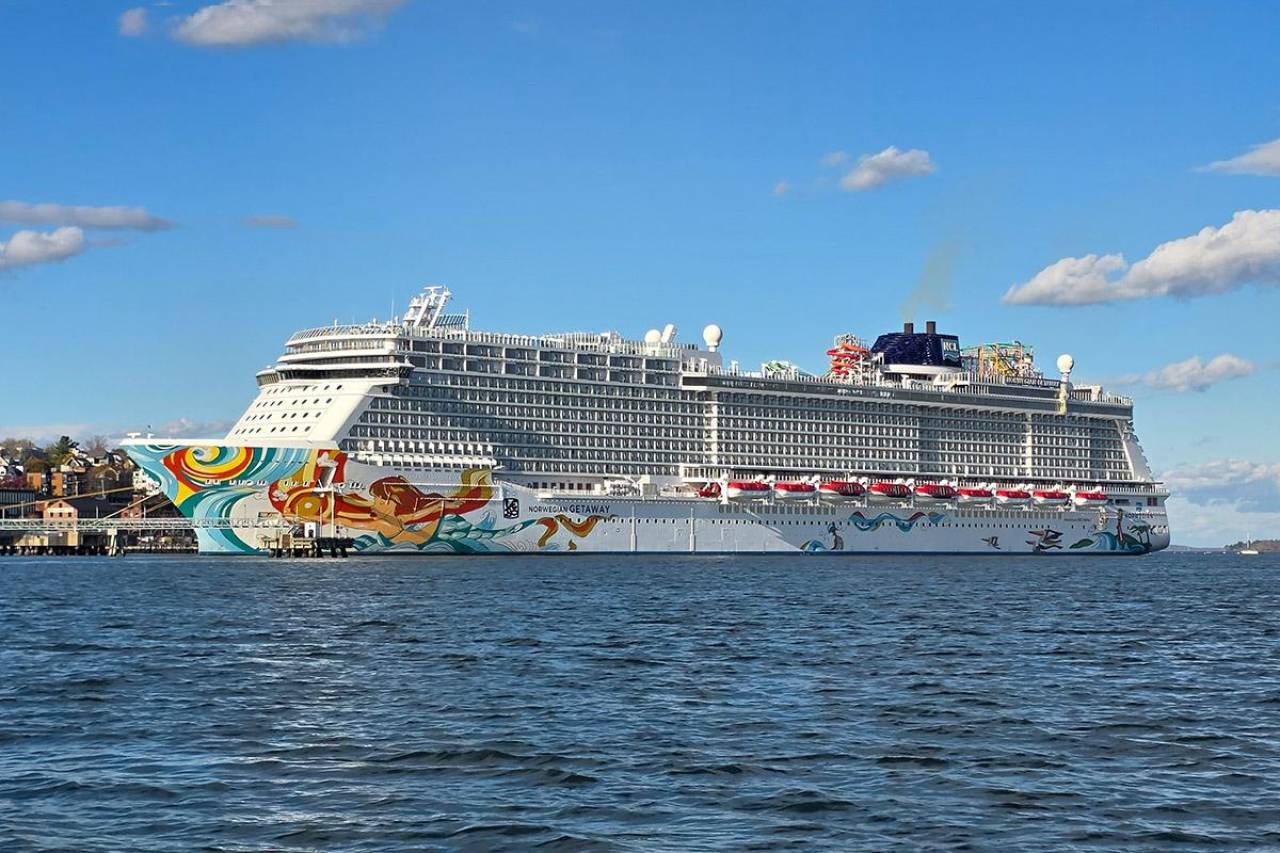
I Tried Cellular At Sea Cruise+ On Norwegian Getaway

Temporary Hearing Changes
Understanding Speech in Noise
Persistent Symptoms

Other Lifestyle Situations That Can Lead To Hearing Loss

Role of Alcohol in Concert Hearing Health
Alcohol's Impact on Hearing
Volume Perception Problems
Importance and Methods of Concert Ear Protection
Earplugs: Your New Best Friend
Type of Earplugs Material Noise Reduction Comfort Reusability
Foam Earplugs
Foam
High (up to 33 dB)
Medium
Low (Disposable)
Silicone Earplugs
Silicone
Medium (~22 dB)
High
High
Flanged Earplugs
Silicone/Rubber
High (~27 dB)
Medium
Medium
High-Fidelity Musician's Earplugs
Various
Lower (~15-20 dB)
High
High
Break Time is Essential
Stay Away From Speakers
Understanding and Preventing Temporary Threshold Shift
What is it?
How to prevent it?

Deciding When to Consult a Doctor for Hearing Issues
Post-Concert Symptoms
Regular Checks for Concert-Goers
Sudden Changes in Hearing

Taking Control of Your Hearing Health