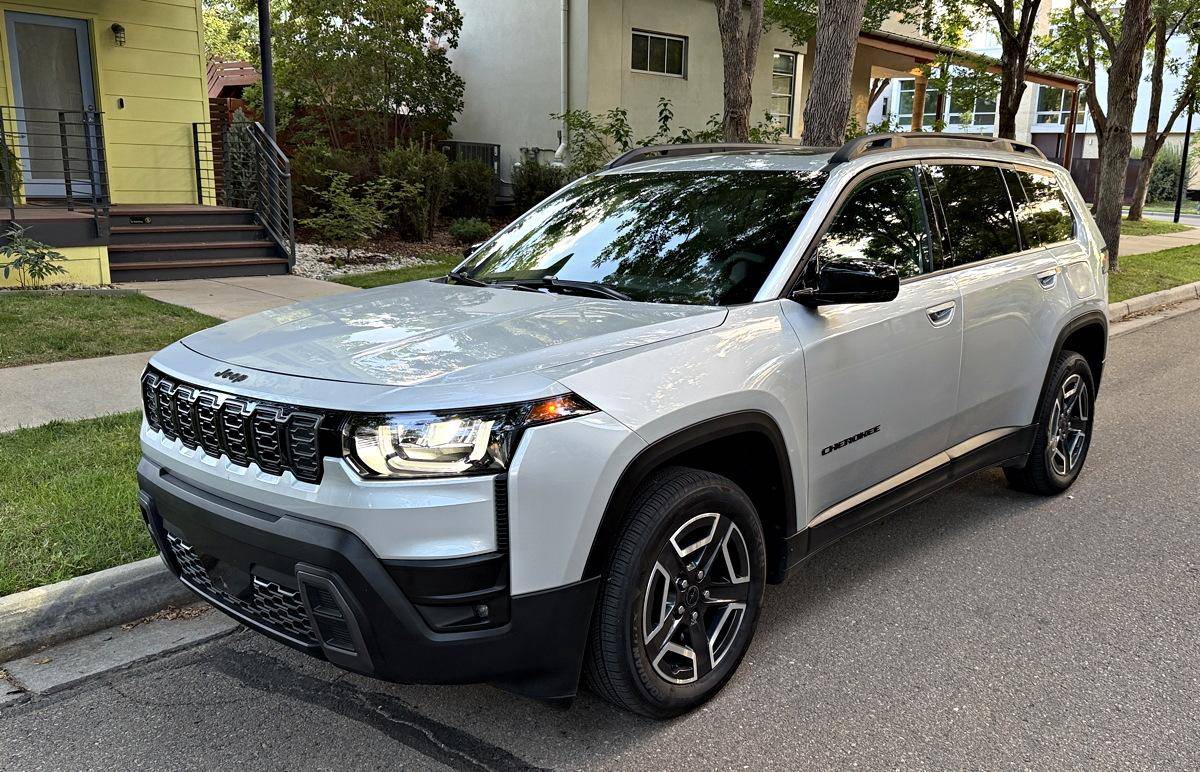
Jeep built its reputation on vehicles that could climb a mountain at a moment’s notice. From the wartime Willys through the CJ, Wrangler, and Wagoneer, rugged capability has always been central to the brand’s identity, even as its lineup gradually and inevitably expanded into family-friendly SUVs. The Cherokee itself has never stood still either. First introduced in 1974, it evolved into the groundbreaking unibody XJ of the 1980s, one of the vehicles that created the modern SUV segment. Every generation since has redesigned the Cherokee, usually to the delight of some owners and the horror of others. Reinvention has always been part of its DNA.
It's worth noting that the name "Cherokee" has become increasingly controversial. The Cherokee Nation has long objected to its use, arguing that Indigenous identities deserve more respect than serving as product names. Jeep has acknowledged the criticism but continues to use the badge, making it an increasingly awkward part of the vehicle’s identity. I expect that most owners just don't care, however.
After poor sales and a powertrain change led Jeep to discontinue the previous-generation Cherokee in 2023, squeezed as it was between the Compass and Grand Cherokee, Stellantis went back to the drawing board. The all-new 2026 Cherokee is a ground-up redesign with significant European engineering influence, a more refined driving experience, and a clear focus on the mainstream midsize SUV market.
After a week behind the wheel of the 2026 Jeep Cherokee Limited 4x4, I've learned that there's a lot to like, but while it’s a genuinely excellent midsize SUV, if you cover the badges, I suspect few people would identify it as a Jeep. Whether that’s progress or a loss of identity depends on what you expect from the brand.
The shiny new vehicle Stellantis loaned me for a week had a Silver "Zynith" exterior and Global Black interior, along with Perforated Capri Leatherette Seats:
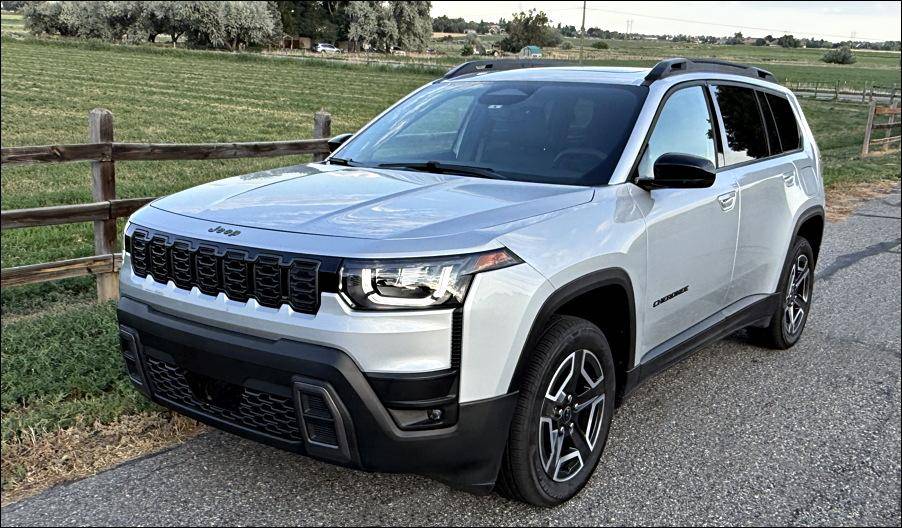
No question, it’s an attractive SUV with clean, albeit boxy, styling. Since all SUVs share similar proportions and design cues, there’s a point where they inevitably start to resemble one another. It’s a pleasant, comfortable SUV that would be a great option for small to medium families or outdoor enthusiasts, especially those who spend more time commuting, shuttling kids to school, or making grocery runs than actually heading into the mountains. But for all its competence, one question kept nagging at me: is it still a Jeep?
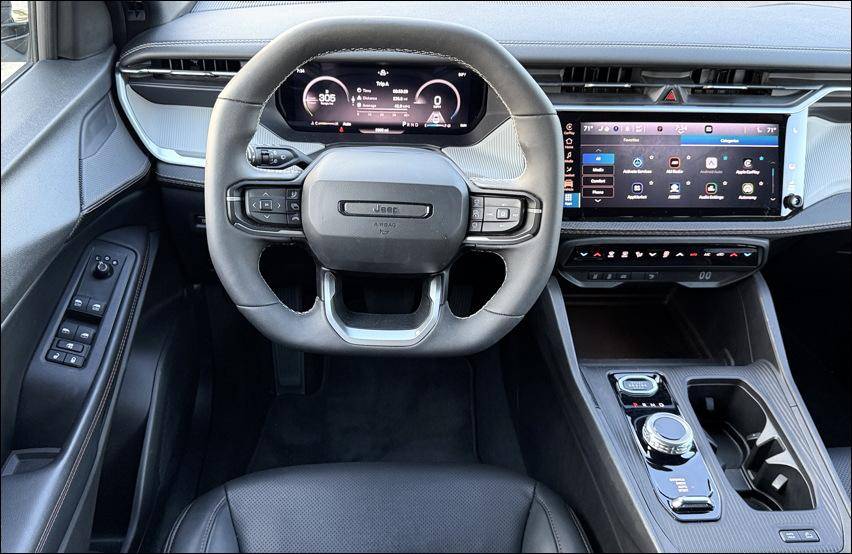
The interior is where the redesign is most apparent, with its gear selector dial, oddly shaped steering wheel, and large 12.3-inch infotainment display. But look again. If the badge said “GMC” or “Buick” or "Mazda" instead of “Jeep,” would you suspect it had been mislabeled? I even went digging to see whether this was a co-production with one of Stellantis' many other car brands, but it's not, as far as I can tell. The redesign came from Jeep’s European design team, but it's not a different vehicle with Jeep badging.
And it is a nice design. For example, the center console...
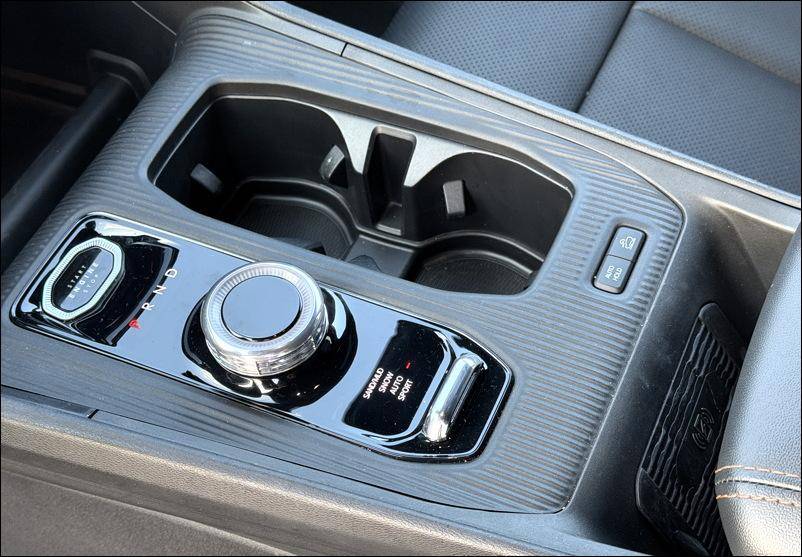
Not only did this work really well in practice, with cup holders in a great location, but the Qi wireless charging slot on the right worked perfectly charging my Apple iPhone 17 Pro, which is often not the case. Charging also didn't get in the way of it working flawlessly with wireless Apple CarPlay.
And yet, notice that most all of the fabled off-road 4x4 chops of the Jeep line are boiled down to this one drive mode control, with four settings: Sand/Mud, Snow, Auto, and Sport. Clearly, this is a 4x4 for people who think driving on a dirt road is roughing it but want better traction in bad weather. Nothing wrong with that! 😁
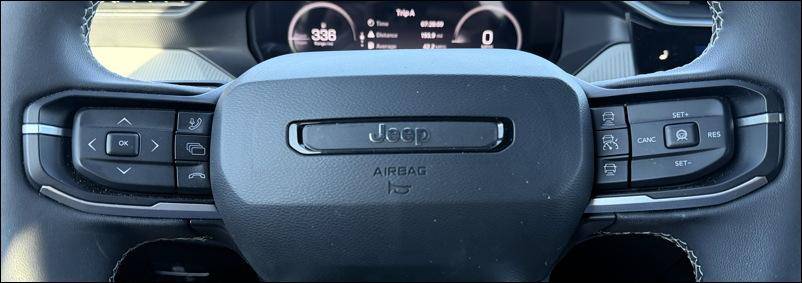
The steering wheel control bar was nicely symmetric, as I prefer, though notice what's missing: No entertainment system controls. They're hidden behind the steering wheel; the left buttons are next/previous, and the right buttons are volume up/down, but you'll probably figure that out through trial and error.
Where the 2026 Jeep Cherokee really shines is with fuel efficiency. As a hybrid-only model, it gets very good mileage, as you can see in this instrument cluster pic:
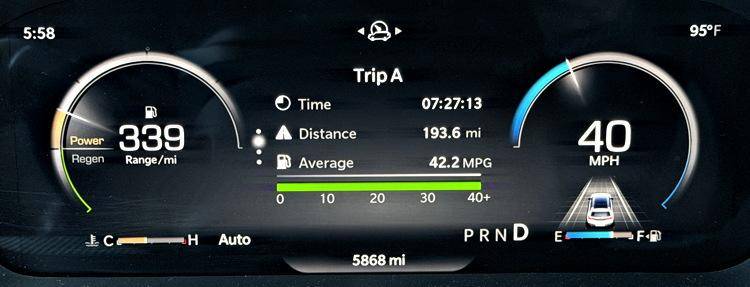
For the previous almost 200 miles, I was averaging a darn impressive 42.2 miles per gallon. That's with it powering a 1.6L I4 turbo hybrid engine and electronic variable transmission. In other words, an inline-4 gas engine and two electric motors, offering a surprising 210 horsepower and 230 lb-ft of torque. You can tow up to a respectable 3,500 pounds with the factory tow package, and the cargo capacity with the rear seats folded down is 68.3 cubic feet. More to the point, it's a very nice drive, and I had no issues with accelerating to highway speed, coming off a stop, or passing people on mountain roads as needed. All the while, it's remarkably quiet in the cabin, giving it more of a luxury feel than the endlessly noisy Wranglers.
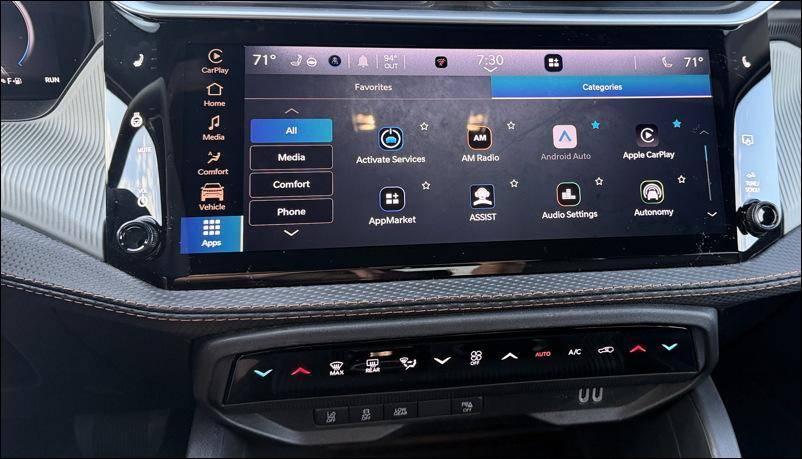
The infotainment system is built atop Uconnect, as you can find on just about every Stellantis vehicle (even Maserati!). By this point in its evolution, it's a straightforward, polished experience, easily accessed in parallel to Apple CarPlay or Android Auto. The vehicle even includes AM radio for emergencies, along with an app store. On the lower section are the climate controls, which worked well enough. Just below that were two very conveniently located USB-C ports that make it easy to charge phones or other devices as needed.
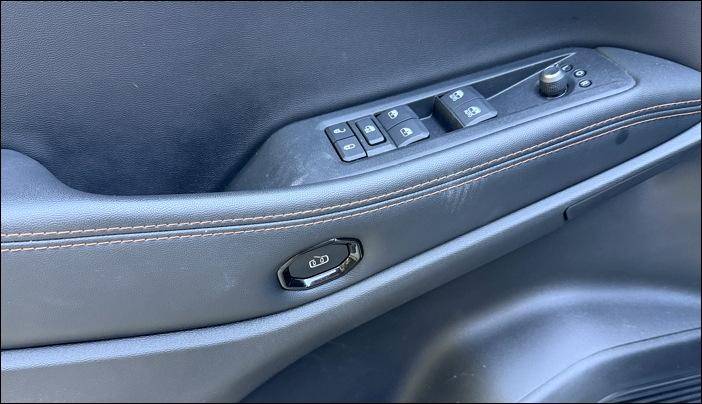
One feature that's slowly becoming more popular with vehicle designers are door buttons rather than door handles. See that button just below the armrest? That's how you open the door to exit the Cherokee. No surprise, the door handle on the exterior has a similar button to lock the vehicle. I like it well enough, but it is initially disconcerting when you are trying to get out and can't find a door handle anywhere.
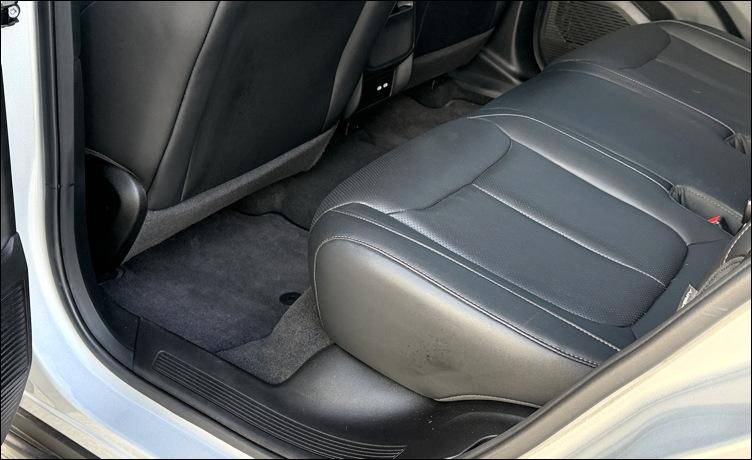
I found the legroom to be more than expected, which was also a nice surprise; too many vehicles assume that the rear passengers are skinny-legged children and require the driver and front passenger to scoot their seats up so adults can fit. Not the 2026 Cherokee, which would be comfortable for five adults on a long drive to the mountains (or Costco).
Perhaps the single most complex part of the Cherokee isn't even noticeable until you bend your neck and gaze upwards:
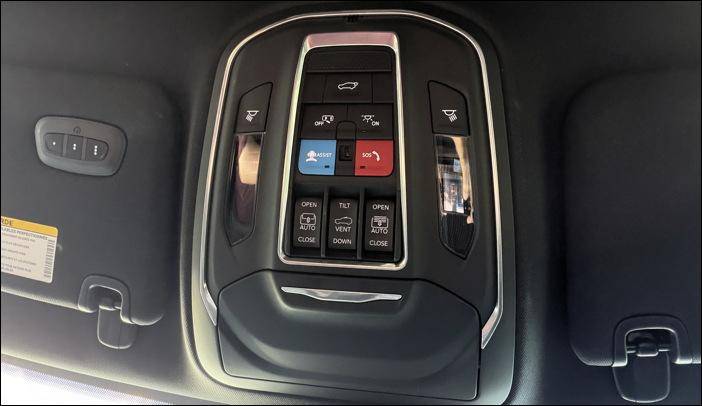
The sunroof control cluster includes not only light controls and three buttons for the sunroof, but a button for opening the rear hatch and brightly colored buttons for the Jeep Connect ASSIST and SOS system. It's similar to the GM OnStar system, and can be quite useful in an emergency. But it sure is a complex layout!
Stepping back out of the vehicle, the rear cargo area is spacious, as mentioned earlier:
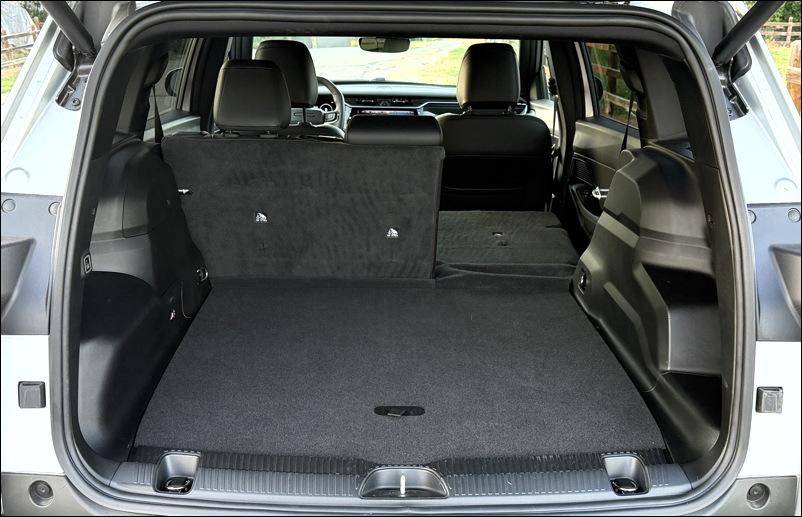
Fold down those rear seats, and there's plenty of room for the latest haul from Home Depot or a bicycle or two, along with some camping gear. Note also the popular 40/60 split bench design to allow maximum flexibility.
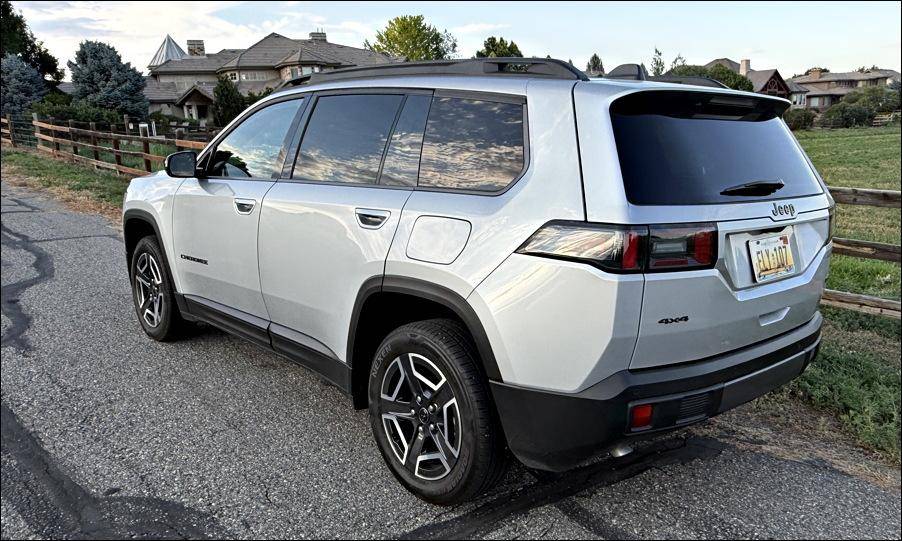
As I shared at the beginning of this review, there's really a lot to like with the new 2026 Jeep Cherokee. It's a comfortable and well-designed SUV that's nicely appointed, has good towing capacity and storage space, and excellent fuel efficiency for its class. The only question is whether it still has that fun, off-road Jeep personality or not. My conclusion: If you're looking for an SUV with all the fun heritage of classic off-road vehicles, this might not be the one for you, but if you're in the market for an SUV that's going to work great for your occasional expeditions and growing family, the Cherokee should definitely make your short list.
2026 Jeep Cherokee Limited 4x4. BASE PRICE: $38,000. Options included: Premium paint, Limited Package 23G, Dual-Pane Panoramic Sunroof. AS DRIVEN: $44,185.
Disclosure: Stellantis loaned me the Jeep Cherokee for a week in return for this candid write-up. This article originally appeared on PlanetDave with the title The 2026 Jeep Cherokee Limited Is Nice, but Is It a Jeep? and is republished here with permission of the author.
Hey Dave Taylor wants you to share this!