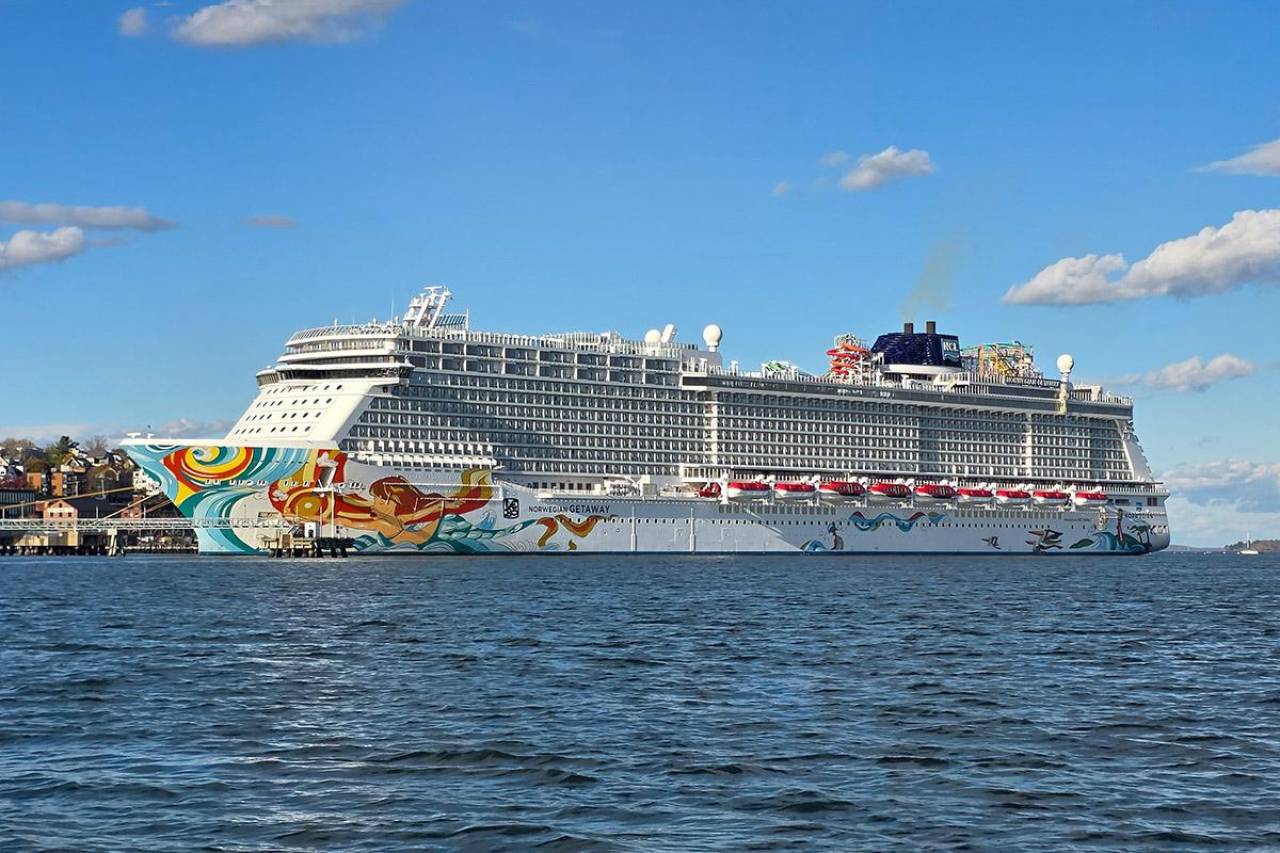
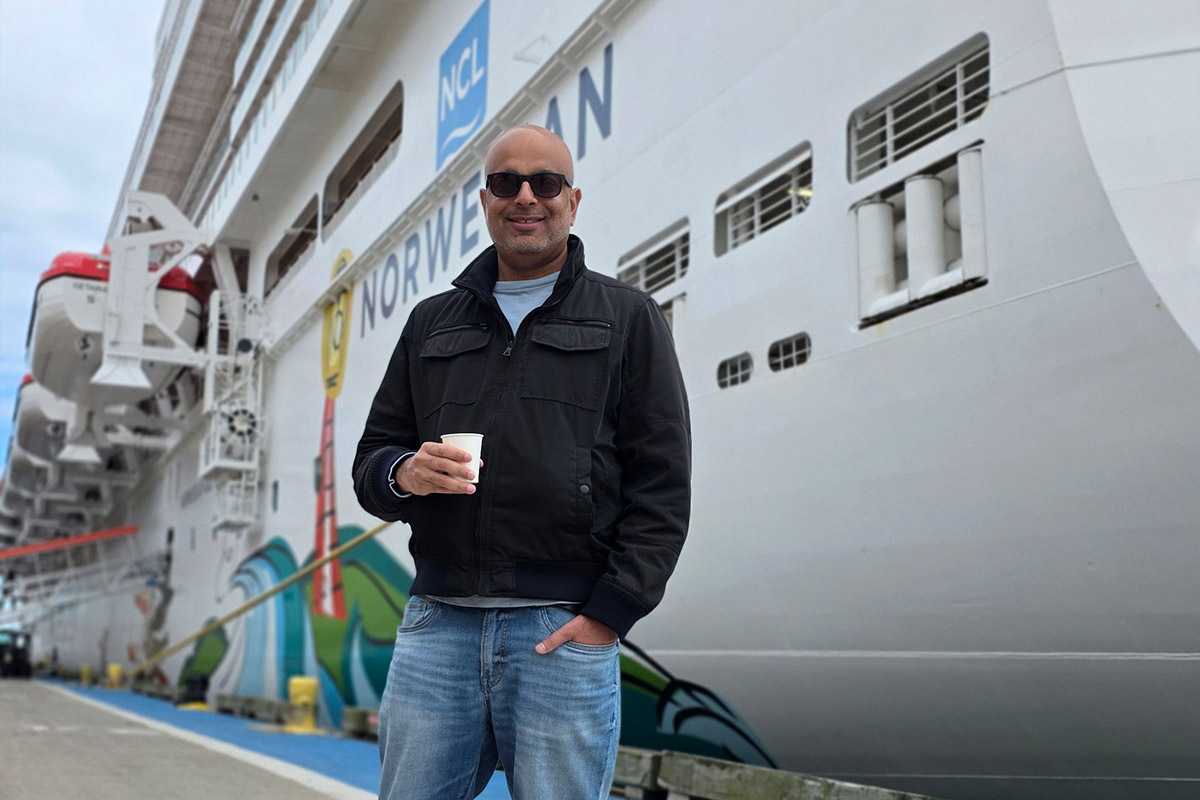
A few months back, I set sail on a 7-day cruise aboard the Norwegian Getaway with my buddy James from ManTripping.com, and unlike most of my normal tropical getaways, this time we decided to head north, visiting some of the most scenic ports along the Eastern Seaboard and Maritime Canada. Departing from New York City, we sailed north to Halifax, Nova Scotia, then continued to Saint John, New Brunswick, before heading back south to Portland, Maine, Boston, Massachusetts, and then a final day in Newport, Rhode Island before heading home.
While cruising through New England and Canada in October can be a little on the chillier side, we bundled up and had a blast exploring each of the ports and their own unique experiences, everything from visiting Halifax’s historic citadel and sampling craft beer to touring a maple sugar farm in New Brunswick and enjoying fresh caught lobster in Portland.

Beyond Detroit: Best Places In Michigan For A Guys Trip
Discover Michigan's best guys trip destinations, from Grand Rapids' brewery scene to outdoor adventures in Pictured Rocks and Copper Harbor.
Learn More
Austin Texas Guys Trip: Grab Some BBQ, Listen to Great Music, and Get a Little Weird
If you dream of BBQ, live music, golf, and getting a little bit weird then Austin, Texas is a great town that is perfect for a quick weekend getaway.
Learn More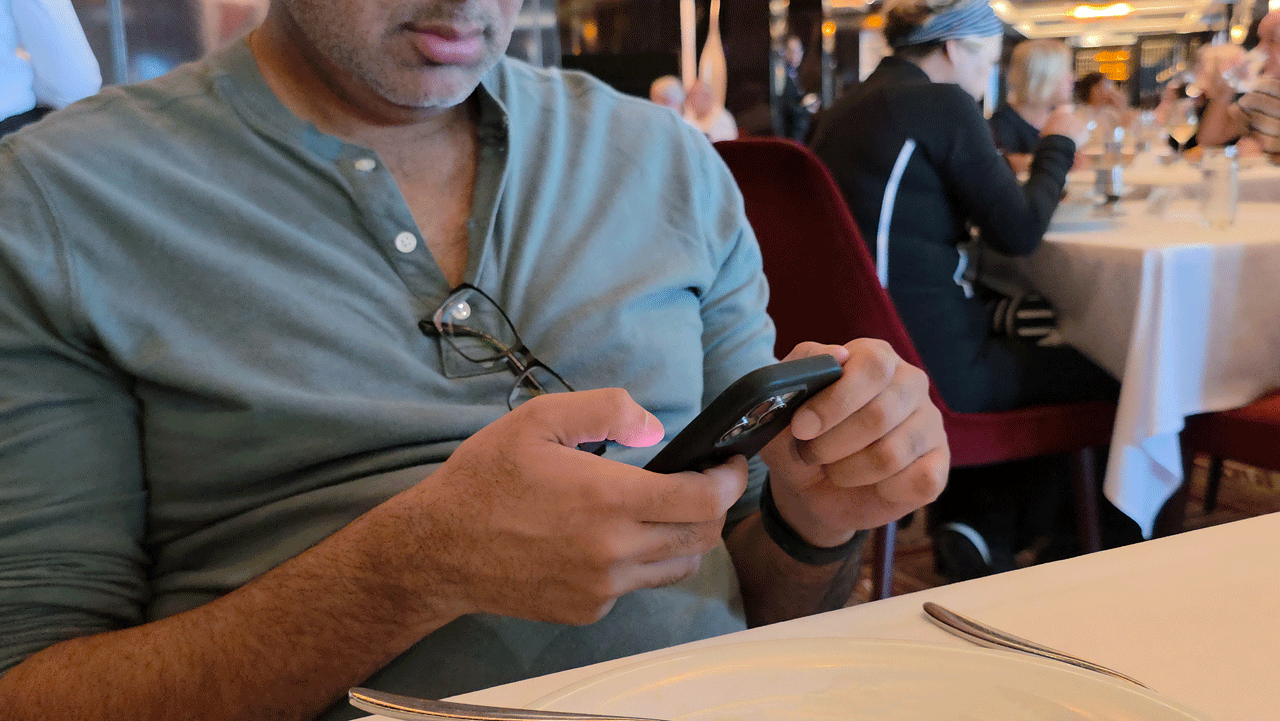
Should You Buy Cruise Ship Wi-Fi? A First-Timer Cruiser's Guide to Staying Connected At Sea
First-time cruiser connectivity made simple: ship Wi-Fi versus cellular day passes, which cruise lines include internet, security considerations for banking, and practical strategies to match your usage without overspending.
Learn More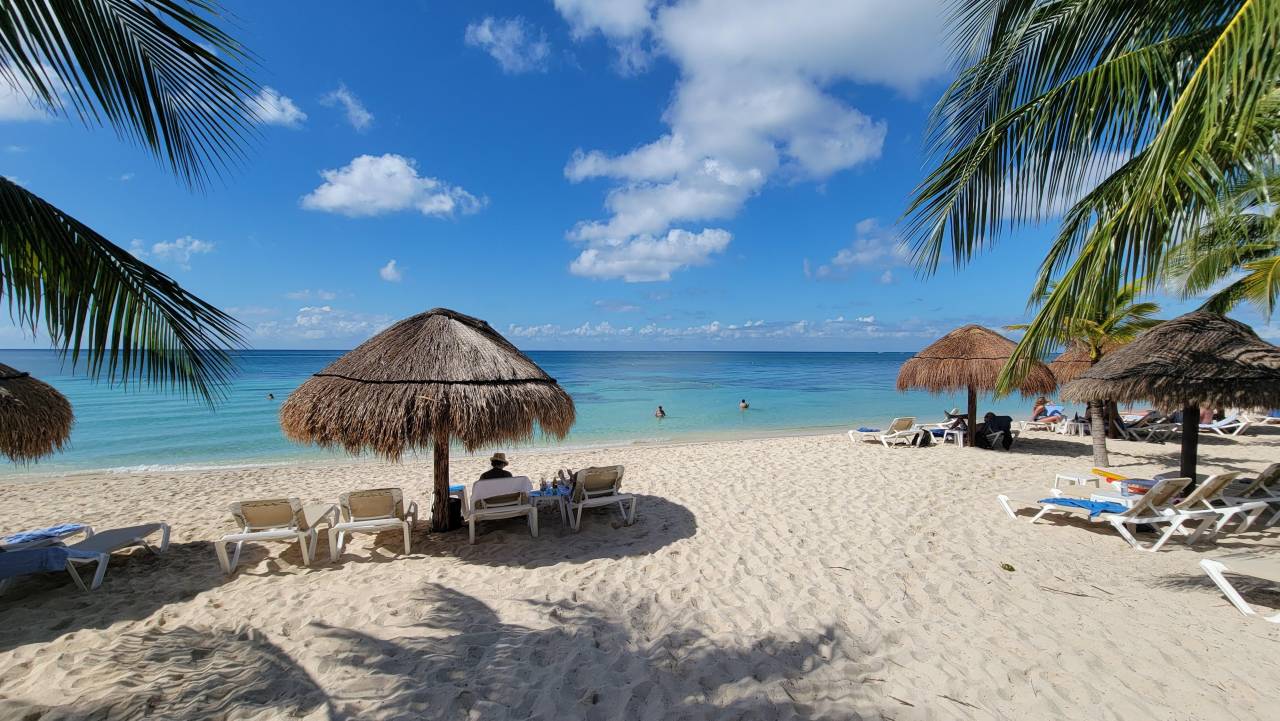
Eight Dangers To Avoid On A Mexican All-Inclusive Resort Guys Getaway
Discover essential safety tips for your Mexican all-inclusive resort vacation. Learn how to avoid common dangers while maximizing fun at top destinations in Cancun, Cabo, and beyond.
Learn More
11 Father-Son Trip Ideas: Male Bonding Through Inter-Generational Travel
Looking for cool father-son trip ideas? Explore unique destinations and activities, from adventurous mountain getaways and scenic bike trails to cultural explorations and relaxing cruises, perfect for
Learn MoreSponsored
Naturally, one of the first questions I had when planning the cruise was how to stay connected at sea. Most people will typically opt for one of the cruise WiFi packages ranging from basic social media plans to premium streaming options, and those costs can add up quickly over a week-long voyage. Others trying to save some money might search for a public hotspot while in port to send a quick e-mail or check their social media.
But did you know that there’s another option that provides genuine cellular connectivity at sea rather than WiFi, and it comes with some significant advantages? It’s called Cellular at Sea, and they hosted us so that we could experience their service for ourselves, testing out three different options: AT&T International Day Pass, Verizon Cruise Daily Pass, and a Cellular at Sea Cruise+ eSIM data plan.
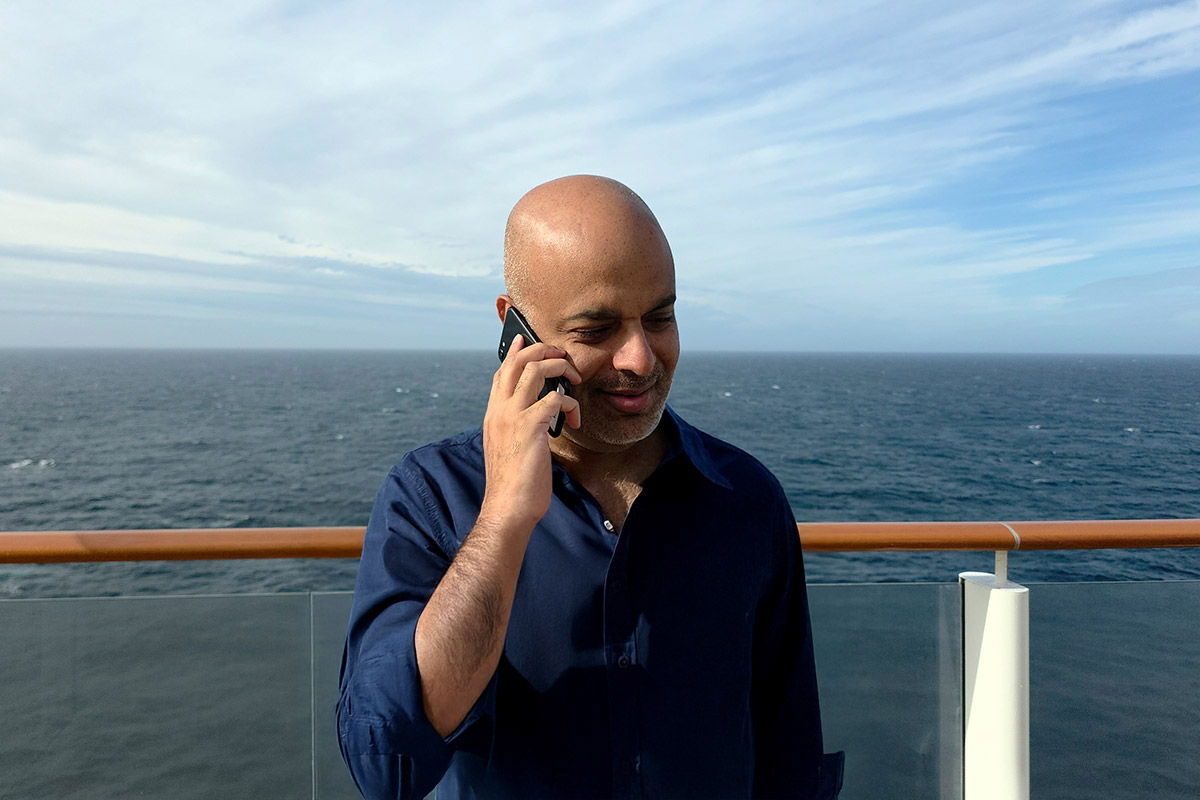
What Is Cellular at Sea?
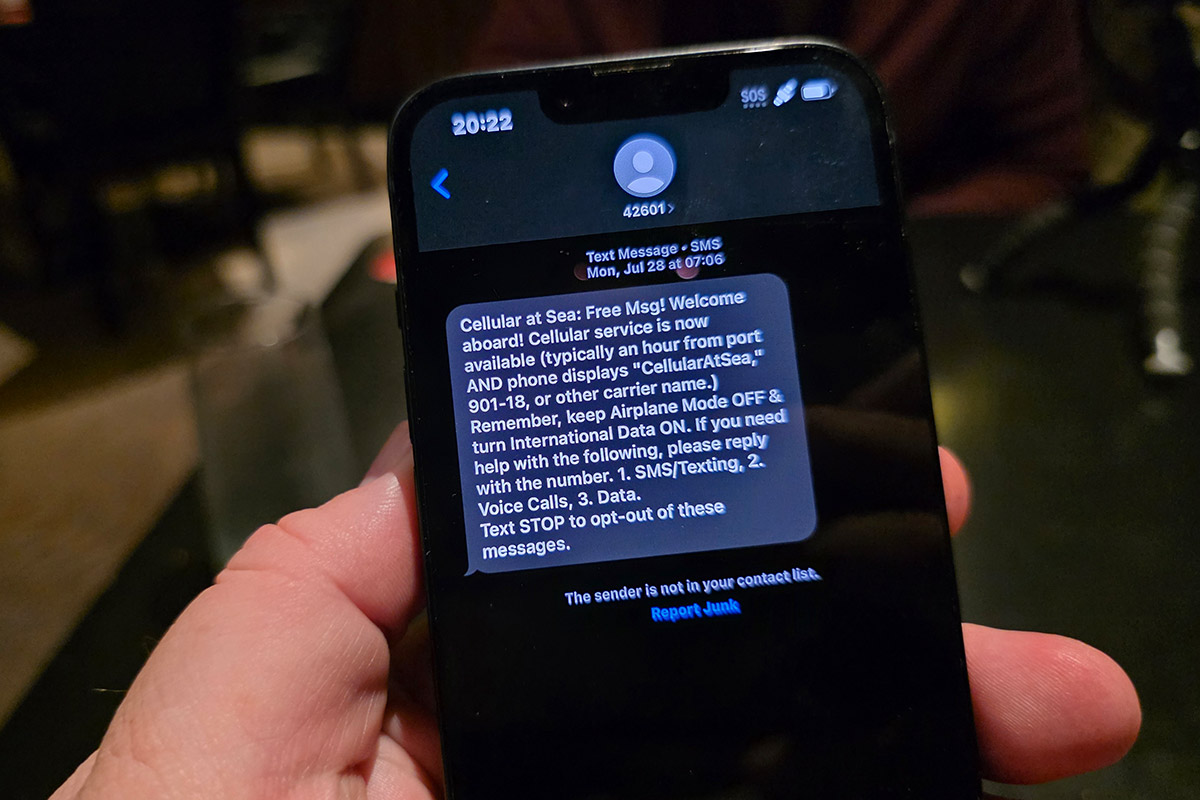
Cellular at Sea is a mobile service provider that creates an actual cellular network aboard participating cruise ships using satellite technology to connect back to land-based networks. When your ship reaches international waters (typically 6 to 16 miles offshore, about an hour after departure), your phone automatically switches to this maritime network and you will receive a text message notifying you that you’re connected to their network.
In addition, when your phone connects, you’ll see either “Cellular at Sea” or “901” displayed on your device, where you’d normally see your home carrier’s name when on land.
The service is available on over 200 cruise ships across multiple major cruise lines, including Carnival Cruise Line, Royal Caribbean, Celebrity Cruises, Princess Cruises, Norwegian Cruise Line, Holland America Line, MSC Cruises, and more. This widespread availability means most cruisers sailing on major lines can take advantage of cellular connectivity without having to rely solely on their ship’s WiFi.
The Cellular at Sea Advantage
During our week-long Norwegian Getaway cruise, we tested out the Cellular at Sea service, and the experience revealed several key differences from your traditional cruise ship WiFi that fundamentally changed how we approached staying connected at sea.
The most significant revelation was understanding that Cellular at Sea and cruise ship WiFi aren’t just two ways to access the internet, they’re completely different technologies serving different needs. Cruise WiFi creates a shared network where every passenger competes for satellite bandwidth, which explains those frustrating slowdowns during peak evening hours. Cellular at Sea, by contrast, provides each user with an individual cellular connection through the same satellite infrastructure your phone uses on land.
Most importantly, cruise WiFi often restricts certain services and blocks VPN connections to manage bandwidth and security, while Cellular at Sea delivers unrestricted internet access identical to what you’d experience on land.
Enhanced Security That Actually Matters
Here’s something that might just surprise you: When you connect to Norwegian’s (or anyone else’s) WiFi package and check your stock or banking apps, book travel, or access work systems with sensitive information, you’re opening yourself up to a huge security risk, as your data can be potentially intercepted by “bad guys”. Cellular connections provide significantly better encryption than shared WiFi networks, whether on land or at sea.
Cellular at Sea operates independently from the ship’s WiFi network, meaning your financial transactions and confidential communications travel through secure cellular channels. That alone is worth the price of admission, as the last thing you want to be dealing with while on vacation is someone hacking into your accounts and doing god knows what.
How Cellular at Sea Differs from Cruise WiFi
While both services ultimately get you online, they work very differently:
Cruise Ship WiFi:
- Shared satellite connection used by all passengers
- Speed varies based on how many people are online
- Often blocks VPN connections
- Can struggle during peak usage times
- Usually sold in unlimited packages at premium prices
- Best for heavy data users who need to stream or work extensively
Cellular at Sea:
- Individual cellular connection through satellite
- More consistent speeds regardless of passenger load
- Supports secure banking and VPN usage
- Works like your phone does on land
- Pay for what you need with flexible data plans
- Ideal for moderate users who want reliability over unlimited access

Real-World Usage: Three Ways to Connect
On our cruise, we had access to three different connectivity options, which gave us insight into how they compare:
Verizon Cruise Daily Pass ($20/day per line): 500MB high-speed data, then unlimited at 3G speeds, with unlimited talk and text to the US.
AT&T International Day Pass ($20/day per device): 500MB daily high-speed data with no overages, unlimited talk and text, seamless coverage both at sea and on land.
Cellular at Sea Cruise+ eSIM through GigSky: Data-only plans ranging from 512MB to 10GB, with durations from 1 to 30 days. Works both at sea and in covered land countries. No traditional voice/text through cellular (requires VoIP apps like Facebook Messenger or WhatsApp).
We primarily used the Cruise+ eSIM, which proved perfect for our needs and significantly more cost-effective than purchasing unlimited ship WiFi.
Five Ways We Actually Used Cellular at Sea
1. Secure Banking Without Paranoia
Checking account balances and making travel bookings became stress-free activities rather than anxiety-inducing risks. The enhanced encryption meant I could handle financial tasks from our stateroom without constantly worrying about security vulnerabilities.
2. Staying Current with Sports and News
While it’s often nice to completely disconnect when on vacation, we were sailing during the baseball playoffs, so being able to check scores, read game analysis, and catch highlights during breakfast or while relaxing on deck rather than trying to catch replays in the bar was rather convenient. Also being able to scroll through Facebook and Twitter and keep in touch with friends was great.
3. International Roaming Solved
Our Canada and New England itinerary meant crossing international borders multiple times, which can create connectivity headaches depending on your carrier’s international plans. Cellular at Sea seamlessly transitioned between maritime and land-based networks whether we were on the ship, in port, or exploring Halifax craft breweries and New Brunswick maple sugar farms.
4. Voice Access When It Mattered
Even with a data-only eSIM plan, voice connectivity remained possible through Voice over IP apps. Facebook Messenger’s voice chat worked perfectly for staying in touch with family, and apps like WhatsApp provided traditional calling capabilities without eating through our data allotment. With the AT&T and Verizon day passes, traditional voice calls worked just like they do at home, just pick up the phone and dial away.
5. Social Media That Didn’t Break the Bank
The 500MB of high-speed data per day honestly stretched much farther than you might expect with smart data management. By enabling data saver mode, disabling automatic app updates and background refresh, and being selective about which apps could use data, we were able to share plenty of photos, updated Facebook, and scroll through Instagram throughout the week without running out of data.
The Performance Reality
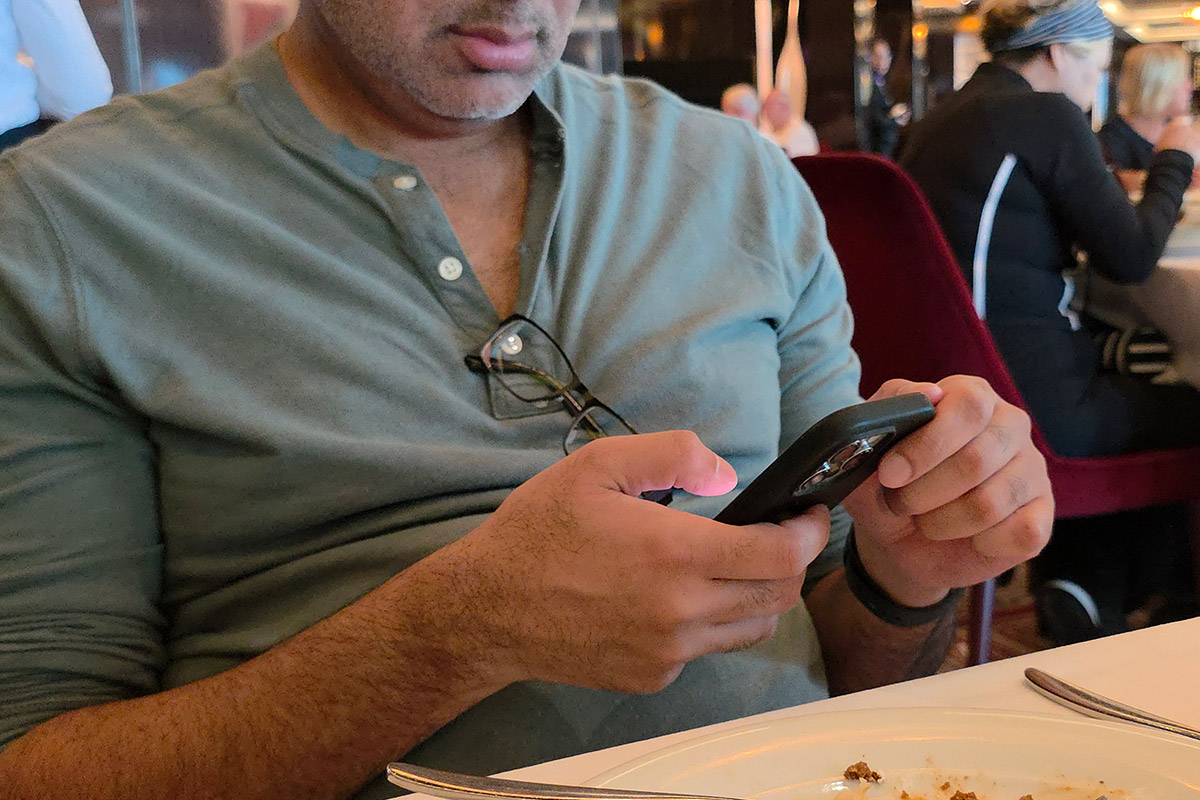
The Cellular at Sea service genuinely impressed us throughout the voyage. Signal strength remained consistently strong throughout the Norwegian Getaway, from the top deck to the aft dining rooms where we enjoyed dinner at Cagney’s Steakhouse and Moderno Churrascaria. The satellite-based network provided coverage everywhere on the ship, demonstrating reliable performance regardless of our location aboard the vessel.
Is it the fastest service in the world? Not at all, nor would you expect it to be. But for what we needed to do, it was more than adequate.
The One Quirk You Should Know
Different cruise lines require their apps for services like making dining reservations, accessing excursion tickets, and viewing daily schedules. These apps typically only function when connected to the ship’s WiFi network, not through Cellular at Sea.
This means you’ll need to toggle between ship WiFi and your cellular data plan depending on what you’re trying to do. After the first day, this became second nature—simply switching WiFi on or off in settings based on our needs. It’s worth knowing upfront rather than discovering mid-cruise when you’re trying to book a shore excursion or make a dinner reservation.
Who Should Consider Cellular at Sea?
This service makes the most sense for:
- Moderate data users who check email, browse social media, and stay in touch without streaming video or uploading massive files
- Security-conscious travelers who need to access banking apps and sensitive information safely
- Budget-minded cruisers who don’t need daily/unlimited high-speed internet but want reliable connectivity
- Business travelers who need to stay reachable by voice and handle occasional work tasks
- Anyone sailing to multiple countries who wants seamless connectivity both at sea and on land
That said, Cellular at Sea probably isn’t ideal for:
- Heavy streamers who want to watch movies or upload lots of video content
- Remote workers who need always-on, high-speed internet for extended periods
For those situations, investing in one of the cruise line’s premium unlimited WiFi packages might make more sense.

Making It Work: Practical Tips
If you decide to try Cellular at Sea on your next cruise:
- Enable the service before you sail by ensuring airplane mode is off and data roaming is on in your settings
- Monitor your data usage through your phone’s settings to avoid any surprises
- Download content before sailing including maps, entertainment, and any large files you might need
- Use WiFi calling apps like WhatsApp, Facebook Messenger, or Quo for voice communication if using a data-only plan
- Remember to toggle between ship WiFi and cellular when you need to use the cruise line’s app
- Take advantage of land connectivity when your ship docks: the Cellular at Sea Cruise+ service works on land in covered countries too
The Bottom Line
After a week of testing Cellular at Sea on the Norwegian Getaway, I can tell you that it offers excellent value for travelers who want to stay connected without paying premium prices for unlimited ship WiFi. The combination of enhanced security, reliable performance throughout the ship, and cost-effective pricing makes it worth serious consideration for your next cruise.
The service isn’t perfect – you’ll need to manage your data usage thoughtfully, and switching between WiFi and cellular for different apps adds a minor inconvenience. But for travelers who value secure connectivity and don’t need to stream Netflix in their stateroom, Cellular at Sea provides genuine cellular service that works remarkably well at sea.
Whether you choose a carrier day pass or the Cellular at Sea Cruise+ eSIM through GigSky, having real cellular connectivity as an alternative to cruise ship WiFi changes the game for staying connected during your voyage. It certainly transformed ours.
Special offer: Use coupon code CRUISEPLUSHILLS at checkout to save 10% on your Cellular at Sea Cruise+ eSIM plan through GigSky.
This article originally appeared on GuysGab.com

Sponsored
Hey Sujeet Patel wants you to share this!