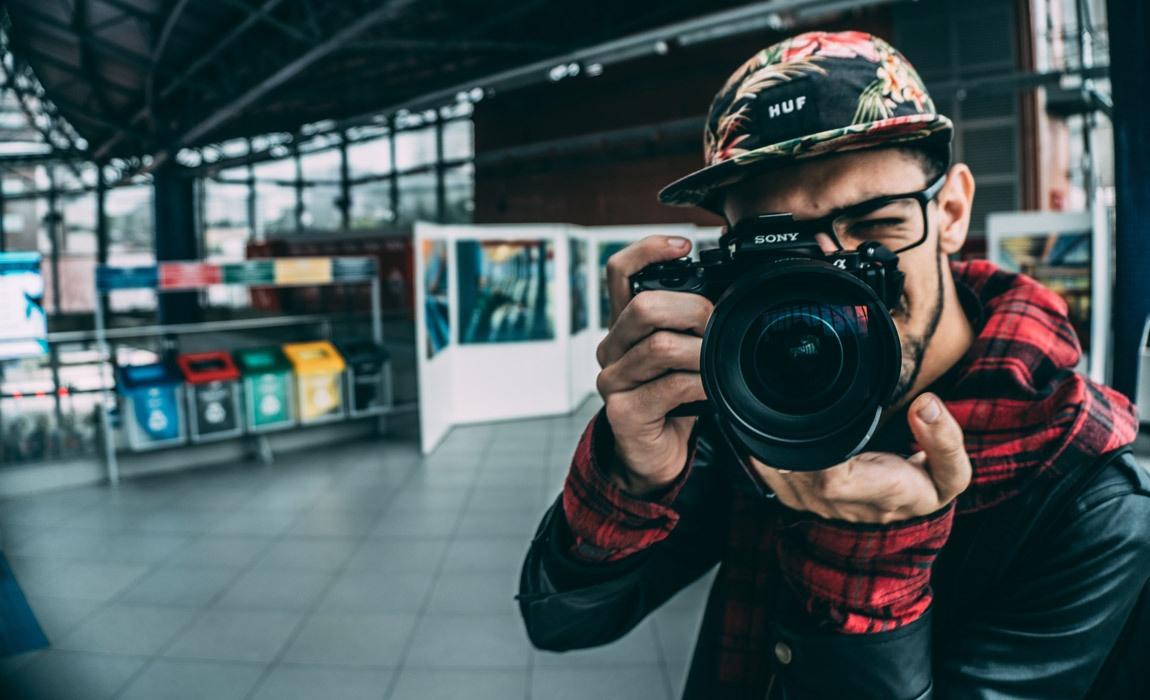
Using other people's photos without checking the license is how bloggers end up with cease-and-desist letters. The good news: there are enough legitimate free photo sources now that you never need to take that risk. After running content sites for 20+ years, I've cycled through most of these — what follows is the list I actually use and recommend.
Choosing the wrong photo source is a real liability for any site with traffic or brand relationships. I organize these by use case rather than alphabetically, because the right source depends on what you're trying to illustrate — not just whether it's free.
Beyond Detroit: Best Places In Michigan For A Guys Trip
Discover Michigan's best guys trip destinations, from Grand Rapids' brewery scene to outdoor adventures in Pictured Rocks and Copper Harbor.
Learn More
Austin Texas Guys Trip: Grab Some BBQ, Listen to Great Music, and Get a Little Weird
If you dream of BBQ, live music, golf, and getting a little bit weird then Austin, Texas is a great town that is perfect for a quick weekend getaway.
Learn More
Should You Buy Cruise Ship Wi-Fi? A First-Timer Cruiser's Guide to Staying Connected At Sea
First-time cruiser connectivity made simple: ship Wi-Fi versus cellular day passes, which cruise lines include internet, security considerations for banking, and practical strategies to match your usage without overspending.
Learn More
Eight Dangers To Avoid On A Mexican All-Inclusive Resort Guys Getaway
Discover essential safety tips for your Mexican all-inclusive resort vacation. Learn how to avoid common dangers while maximizing fun at top destinations in Cancun, Cabo, and beyond.
Learn More
11 Father-Son Trip Ideas: Male Bonding Through Inter-Generational Travel
Looking for cool father-son trip ideas? Explore unique destinations and activities, from adventurous mountain getaways and scenic bike trails to cultural explorations and relaxing cruises, perfect for
Learn MoreSponsored
General Purpose: CC0 and No-Attribution Sources
These are the workhorses. CC0 means you can download, modify, and publish without crediting anyone or asking permission. For most blog posts, this is where you should start.
Unsplash
Unsplash has become the default for high-quality free photography, and it earns the reputation. The library runs over 3 million images with a strong bias toward lifestyle, travel, and editorial photography. The search is fast and the quality floor is genuinely high — contributors go through a review process that filters out the junk.
Pexels
Pexels pulls from multiple contributor databases worldwide, which gives it broader coverage across topics than most single-source libraries. Strong for business and lifestyle imagery. Also includes free video clips, which is useful if you're producing content beyond static posts.
Pixabay
Pixabay covers more ground than photos alone — the library includes illustrations, vectors, music, and video alongside over 5 million images. Good for finding things that Unsplash and Pexels don't have. The search quality is solid and everything is published under the Pixabay License, which is effectively CC0.
Reshot
Reshot positions itself as an alternative to the overused Unsplash catalog. The editorial focus is on photos that feel less staged, and they also stock free SVG, PNG, and vector format files — useful for bloggers who work with graphic elements as well as photography.
Burst by Shopify
Burst is Shopify's free photo library. The collection skews toward e-commerce and entrepreneur contexts — products, people working, lifestyle setups — but there's genuine breadth here. High-resolution downloads, no attribution required, free for any use.
StockSnap
StockSnap adds new photos weekly and everything is CC0. Worth noting: the top results on a search are often sponsored Shutterstock photos, so scroll past those to get to the free downloads. The curated collection underneath is solid.
PicJumbo
PicJumbo is built around the work of photographer Victor Hanacek, who has grown the library to over 2.5 million images. Completely free with no attribution required. They also offer themed monthly sets for subscribers who want a more curated flow of content.
Gratisography
Gratisography is Ryan McGuire's portfolio made public, and it's unlike any other stock library on this list. The images are deliberately quirky, often whimsical, and selected for personality over professionalism. If you need something that doesn't look like stock photography, this is the place to look.
Freerange Stock
Freerange Stock operates through a network of in-house photographers and licenses images for both commercial and non-commercial use. The feel is more editorial than most free libraries — less lifestyle staging, more real situations.
ISO Republic
ISO Republic is a smaller, well-curated CC0 library that has stayed consistent in quality over the years. Good for clean, modern photography across travel, technology, and lifestyle categories.
Kaboompics
Kaboompics is the work of one photographer, Karolina Grabowska, whose images have appeared in BBC, Forbes, and BuzzFeed. The library has a strong, consistent visual style — muted tones, clean compositions, heavy on workspace and lifestyle setups. You can also search by color palette, which is useful when you're trying to match a specific look across a post.
Specialized by Subject
Some sites go narrow and go deep. If your content regularly covers a specific vertical, these are worth bookmarking separately from your general-purpose sources.
Foodies Feed (Food Photography)
Foodies Feed is exactly what it sounds like — a library built specifically for food photography. The collection is smaller than the general-purpose sites but the quality is high and the focus is tight. If you're covering recipes, restaurants, or anything food-related, this saves time. They also offer a premium tier ($39-$129 lifetime) for a larger professional library.
New Old Stock (Vintage and Historic)
New Old Stock pulls exclusively from public archives — the images are vintage photographs, all public domain, with no modern staged photography in sight. Useful for historical context, nostalgia-framed posts, or any content that benefits from a different visual era.
PICNOI (Diverse and Multicultural)
PICNOI describes itself as "Free Stock Photos for a Colorful World" and backs it up — the library is a cooperative of photographers specifically focused on diverse, multiracial imagery including people of color. You can download the full library for $59.99, which supports their mission of expanding and maintaining the database. License note: PICNOI's pages have contradictory language on attribution — one page says no attribution required, another says it is. Verify before commercial use.
Startup Stock Photos (Entrepreneurs and Business)
Startup Stock Photos focuses entirely on startup culture and entrepreneurship contexts — people working, building things, collaborating. No search box; you scroll the grid. Niche but genuinely useful for career, side hustle, and business content.
Government and Public Domain Archives
These sources operate differently from standard stock sites. Licensing varies by image, so read each photo's individual terms. That said, the collections are remarkable and most images are fully public domain.
National Park Service Media Gallery
The NPS Media Gallery is one of the most underused photo resources for travel and outdoor content. Thousands of images covering everything from wildlife to scenic landscapes to recreation activities, most public domain or requiring only attribution.
Library of Congress
The Library of Congress archives run deep on historical imagery. Portraits, events, places — primarily public domain because the copyright has long expired. Useful for any post that benefits from historical visual context.
Wikimedia Commons
Wikimedia Commons hosts nearly 100 million media files ranging from scientific diagrams to historical photographs to video. Licensing varies by file, so check each image individually. The search and filter tools make it navigable.
Flickr
Flickr is not a simple CC0 library — licensing varies by photographer and you must check each image before using it. What makes Flickr worth including is the breadth: it hosts the official US government photo archives including military imagery, and it's the primary platform for tourism boards and destination marketing organizations to share high-resolution imagery. For travel and destination content, Flickr is often where the best official photography lives.
Attribution Required and Mixed License Sources
These sites are free to use but come with strings. Read the terms before downloading, and build attribution into your workflow.
MorgueFile
MorgueFile is built for illustrators and designers who want source material to work from. The Morguefile License requires attribution if you use images in unaltered form. If you're using photos as the base for creative work or editing them significantly, the terms are looser. Good resource, but not CC0.
PikWizard
PikWizard has over a million images available for commercial use at no cost, but the licensing varies across the library. Some images require attribution, others don't. Check each download individually.
Adobe Stock Free Collection
Adobe Stock maintains a free tier with over 70,000 curated photos, vectors, and templates that meet Adobe's quality standards — which are genuinely high. Requires an Adobe account to download. The free license allows commercial use without attribution. If you're already in the Adobe ecosystem, this is worth adding to your rotation.
Rawpixel
Rawpixel claims one of the more diverse libraries in the free stock space and backs it up with coverage across vectors, PSD mockups, and public domain content including vintage Japanese woodblock prints and other archival material. The free tier is substantial. Some premium images are mixed in, so filter by "free" to stay in the right lane.
Openverse
Openverse is WordPress.org's CC-licensed image search engine, which pulls from multiple sources simultaneously — Flickr, museums, government archives, and more. It's a meta-search tool rather than a single library. Useful when you need something specific and want to cast a wide net across CC-licensed sources at once.
Free Stock Video
If you're looking for video rather than photos, don't worry! There are still some great options out there as well ...
Mazwai
Mazwai is video-only and operates under a mix of licenses depending on the clip. It's included here because the quality is strong and video B-roll is increasingly useful for bloggers expanding into social content or embedding supplemental media in posts. Check the license on each clip before publishing.
A Note on Sites That Have Gone Dark
Several sites from older versions of this list are no longer reliable. Stokpic (stokpic.com) has gone offline — the photographer's work migrated to Pixabay, where you can still find it. SuperFamous is returning server errors. NegativeSpace and SplitShire have largely shifted toward paid models. If you've bookmarked any of these from an older resource list, update your workflow accordingly.
Smart Creators Know To Build Your Stack Around Two or Three Sources, Not Twenty!
The temptation with a list like this is to bookmark everything and use none of it efficiently. In practice, most bloggers settle on two or three primary sources that match their content style and supplement with specialty sites for specific needs. For most general-purpose blogging, Unsplash and Pexels cover the majority of use cases — add Foodies Feed if you cover food, the NPS gallery if you cover outdoor and travel, and PICNOI if inclusive representation matters to your audience. Keep MorgueFile and Openverse in your back pocket for the searches that come up empty everywhere else. That's a functional stack, not an overwhelming one.
Hey James Hills wants you to share this!