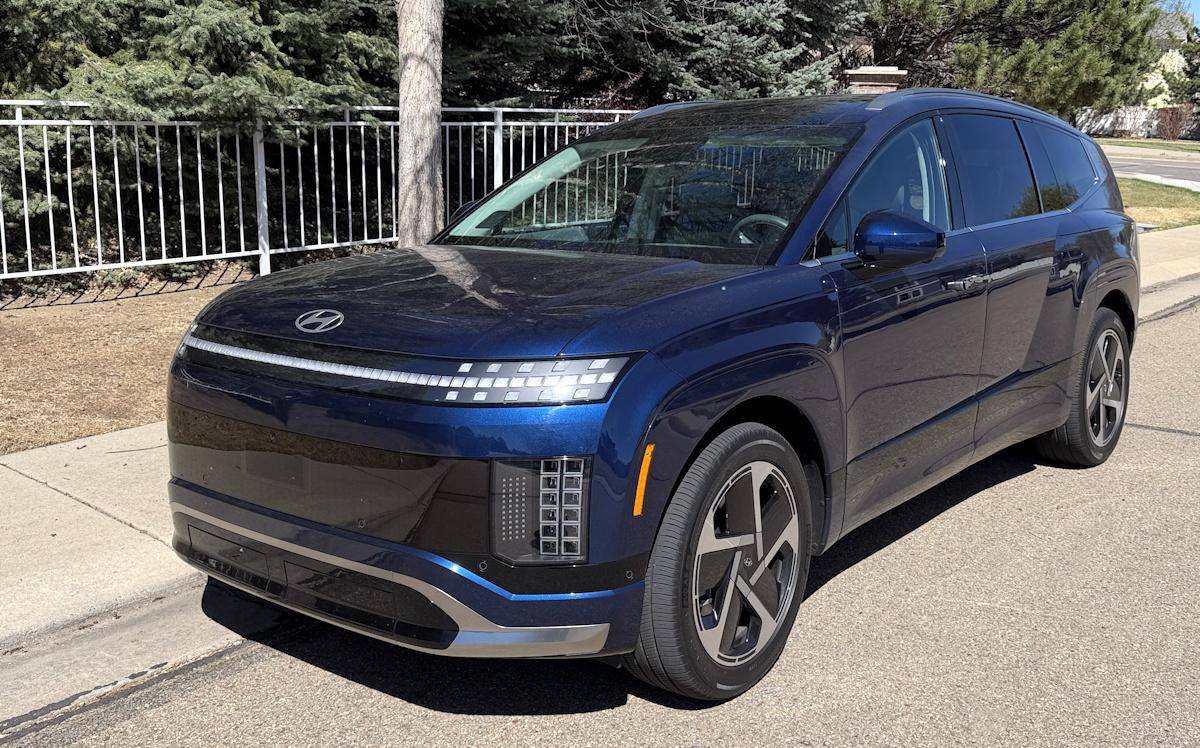
Korean manufacturing powerhouse Hyundai manufactured its first car in cooperation with Ford, the 1968 Ford Cortina. It took until 1975 for Hyundai to build its own Korean-developed automobile, the Hyundai Pony. It wasn't eleven years later that the first Hyundai made it to the United States, however, the 1986 Hyundai Excel. They were startlingly affordable at the time, but the brand lacked a clear identity. In 2010, Hyundai began a revamp of its entire lineup with its "fluidic" design, a major turning point for the brand. Today, Hyundai and its sister company Kia, have trendy, futuristic vehicles and solid sales. The 7-seater Ioniq 9, a pure EV luxury family automobile, went on sale mid-2025, but as the "2026" model. Confusingly, its code name during development was the Ioniq 7.
I have become quite a fan of Hyundai's design and was most enthused when the company offered me a chance to spend a week driving its top-end model, the 2026 Ioniq 9 AWD Performance Calligraphy in a beautiful Cosmic Blue, with Gray interior. A full EV, it immediately intrigued me with its NACS (Tesla) charging port...

Beyond Detroit: Best Places In Michigan For A Guys Trip
Discover Michigan's best guys trip destinations, from Grand Rapids' brewery scene to outdoor adventures in Pictured Rocks and Copper Harbor.
Learn More
Austin Texas Guys Trip: Grab Some BBQ, Listen to Great Music, and Get a Little Weird
If you dream of BBQ, live music, golf, and getting a little bit weird then Austin, Texas is a great town that is perfect for a quick weekend getaway.
Learn More
Should You Buy Cruise Ship Wi-Fi? A First-Timer Cruiser's Guide to Staying Connected At Sea
First-time cruiser connectivity made simple: ship Wi-Fi versus cellular day passes, which cruise lines include internet, security considerations for banking, and practical strategies to match your usage without overspending.
Learn More
Eight Dangers To Avoid On A Mexican All-Inclusive Resort Guys Getaway
Discover essential safety tips for your Mexican all-inclusive resort vacation. Learn how to avoid common dangers while maximizing fun at top destinations in Cancun, Cabo, and beyond.
Learn More
11 Father-Son Trip Ideas: Male Bonding Through Inter-Generational Travel
Looking for cool father-son trip ideas? Explore unique destinations and activities, from adventurous mountain getaways and scenic bike trails to cultural explorations and relaxing cruises, perfect for
Learn MoreSponsored
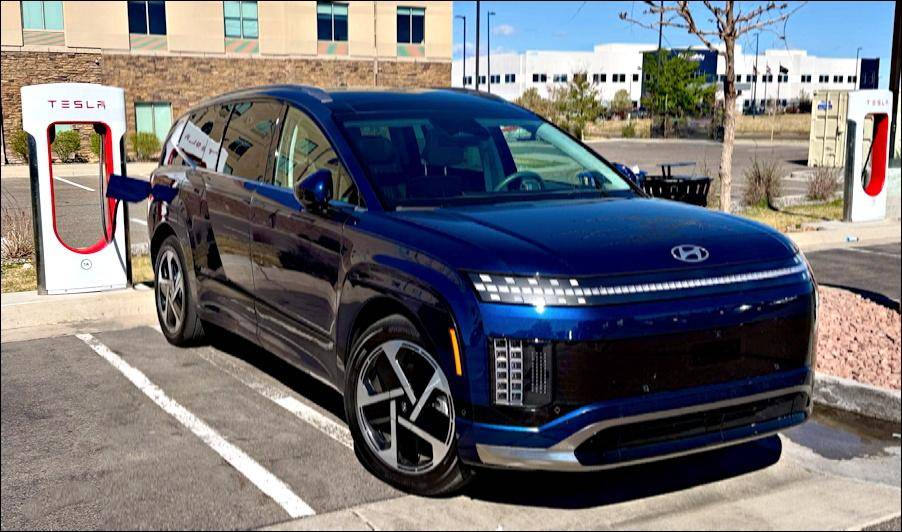
Yes, I successfully charged it at a Tesla Supercharger, and was only a little bit worried that a Tesla owner would get upset that a non-Tesla vehicle was using the charger. 😉 Signing up and configuring the app was tedious, but the charging process was quite easy, as it also was when I used my home 240V charger. Don't have a NACS charger? Not to worry, the Hyundai includes the necessary adapters so you can utilize a J1772 or CCS charger, all neatly stored in the frunk:
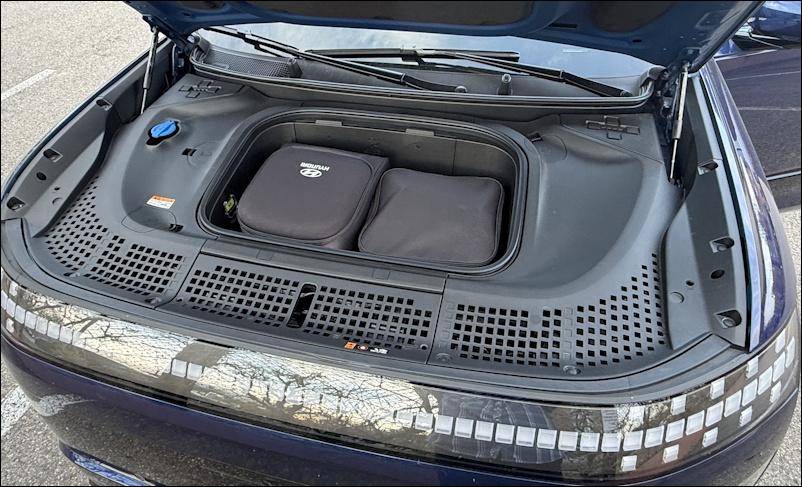
Compared to the secret frunk storage space of other EVs, this is surprisingly tight with its dual bag charging kit, though it could be consolidated into one for most owners.
As the exterior photo shows, this is a big vehicle. If you're used to a compact SUV (like the popular Ioniq 5 EV), you'll have to adjust to the dimensions. It's about the same size as the Volvo EX90, the Cadillac Vistiq, and the Rivian R1S, at 199.2 inches long, 78 inches wide, and 70.5 inches high. It's also incredibly comfortable and fitted out with all the luxuries a driver and passenger could want, starting with the dashboard:
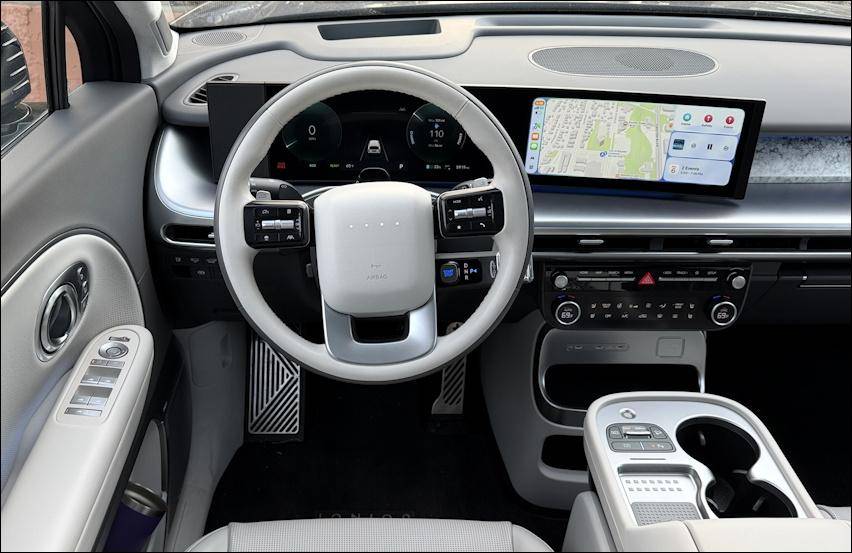
This Calligraphy edition has a lovely appearance that almost seems more suited for a limousine than a family vehicle. Every surface has a high-end feel and is thoughtfully designed. It did, however, take me a minute or two to figure out how to start it the first time I sat down in the comfortable driver's seat. Can you see the gearshift in the above image?
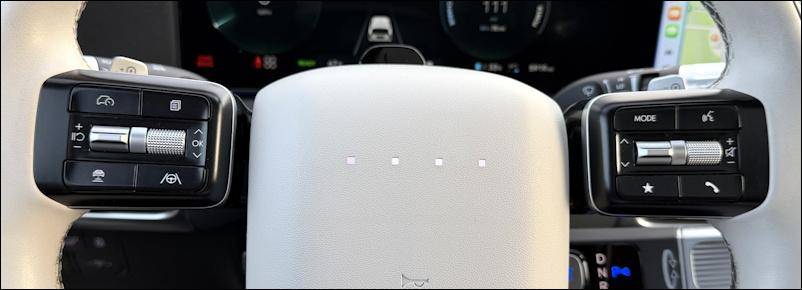
The steering wheel controls were minimalist, enough for basic cruise control and entertainment usage, but no start button. And yet, you can see the gear control peeking out from behind the lower right of the steering column itself. Here's what that looks like:
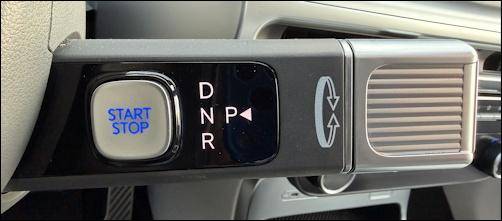
Yes, the start button is relegated to a stick (or "column stalk") coming out of the steering column. You change gears by rotating the end of the stick forward or backward, with a push to shift into park. As an EV, it doesn't actually have "gears", though this is known as a shift-by-wire gear selector. Once I knew where it was, it was a breeze to start the Ioniq 9.
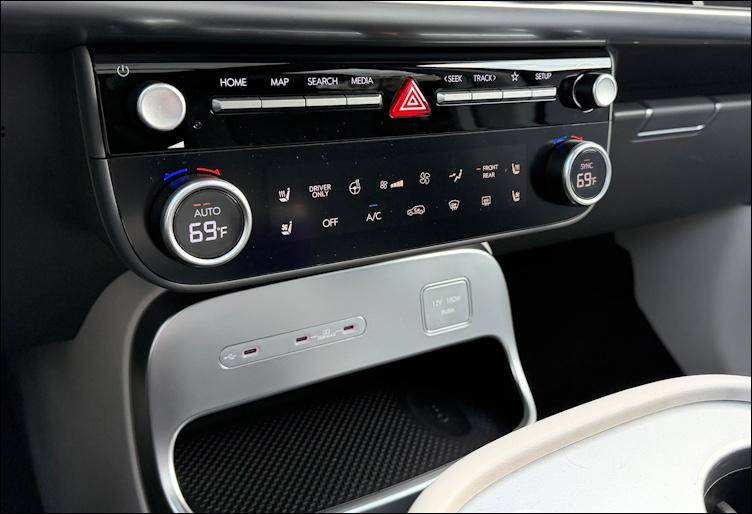
Climate controls are easy to work with, and above them are control buttons for the infotainment system. The space below the climate control area is for storage and includes various charging ports, though I found its contents had a tendency to slide out during my drives.

The Hyundai Ioniq 9 features a Digital Rearview Mirror, which I learned to appreciate with some experimentation. With a long vehicle, an actual mirror would be almost pointless, so designers are forced to find another solution. I've spent decades with mirrors, however, so my natural inclination is to adjust it to the right angle so I can see the reflected image of what's behind the vehicle. That's a mistake! In fact, these work quite a bit better once you give up that idea and tilt it downward to ensure that any reflections are not visible to the driver. It's quite a difference and the mirror works quite well with a bit of experience.
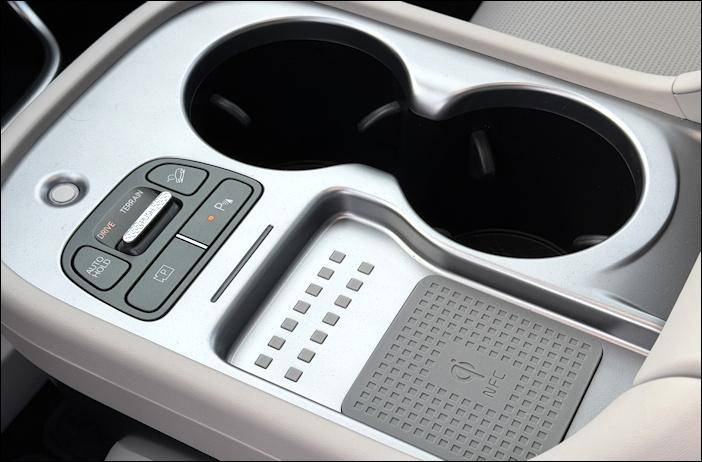
The center console had an efficient Qi wireless charging spot with the anti-slip rubber squares echoing the exterior design. Though phones charge in this spot with the screen facing upward, the armrest occludes the display, which is a good safety design. Seriously, don't look at your phone while you're driving!
Hyundai has clearly prioritized comfort in addition to safety with the Ioniq 9: it had some of the most comfortable seats I've experienced in quite a while, and the sound system was exceptional. It also featured some of Hyundai's Advanced Safety Technologies, including Forward Collision Avoidance, Lane Keep and Lane Following Assist, Parking Collision Avoidance, Parking Distance Warning, and Safe Exit Assist. All of these features help ensure that you and your family are safe on the road, whether conditions are easy or difficult.
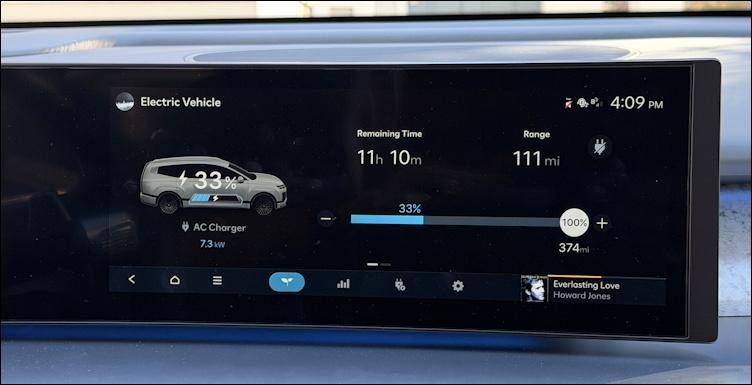
The infotainment system allows you to monitor charging and overall EV health too, and also lets us do the math: At 33% charge, it's calculating 111 miles of range, for a full charge estimate of 374 miles. This is enthusiastic when the EPA max range figure is 311 miles, however. That's not uncommon, however, and as an EV is driven more, it learns if the driver tends to be light-footed and able to eke the max out of a charge, or heavy-footed, presumably yelling "Banzai!" out the window as they zip from a stop.
As a big, heavy SUV, drivers aren't going to be fooled into thinking they're in a sports car. That's not the intent of the vehicle, so it's not a total shock when it feels a bit sluggish at times during a drive. That is the endless tradeoff of driving: drive fast to maximize speed, or drive more conservatively to maximize fuel efficiency.
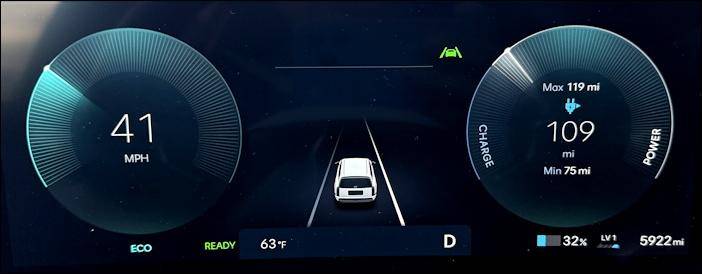
The main instrument cluster is nicely minimalist, showing critical information but not cluttering the display with too much data. Not ignored, rear passengers get their own display and climate controls:
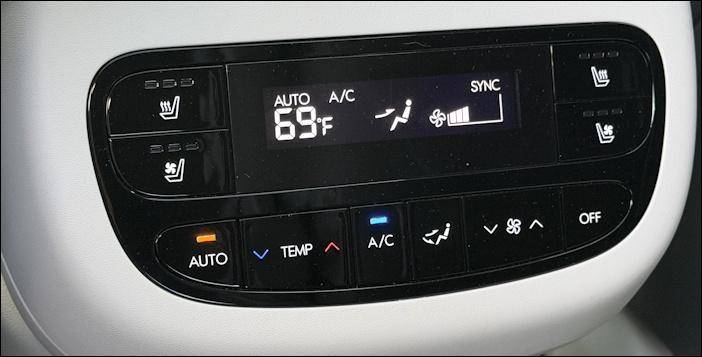
Second row passengers also get power seats with heating and cooling options (as shown above). As I said at the beginning, the experience of sitting in the spacious second row is like being in a luxury SUV limousine:
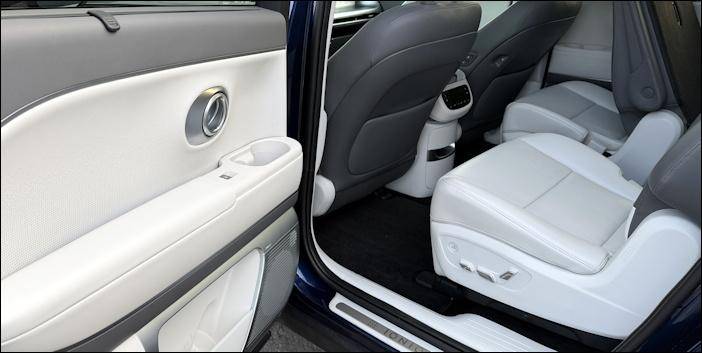
This is one of the first loaners I've had where I wished I had a pending road trip, because it was so comfortable and quiet that it would have been a pleasure to hit the road.
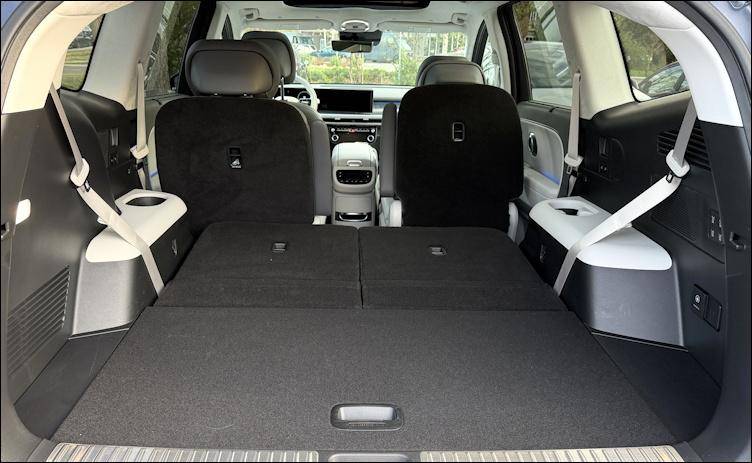
The third row recesses into the back of the vehicle, but the second row seats only lean forward. Can you tell in the above photo that the passenger side second row seat is pushed as far forward as possible? It doesn't offer a lot of additional room, so is likely only used in a pinch.
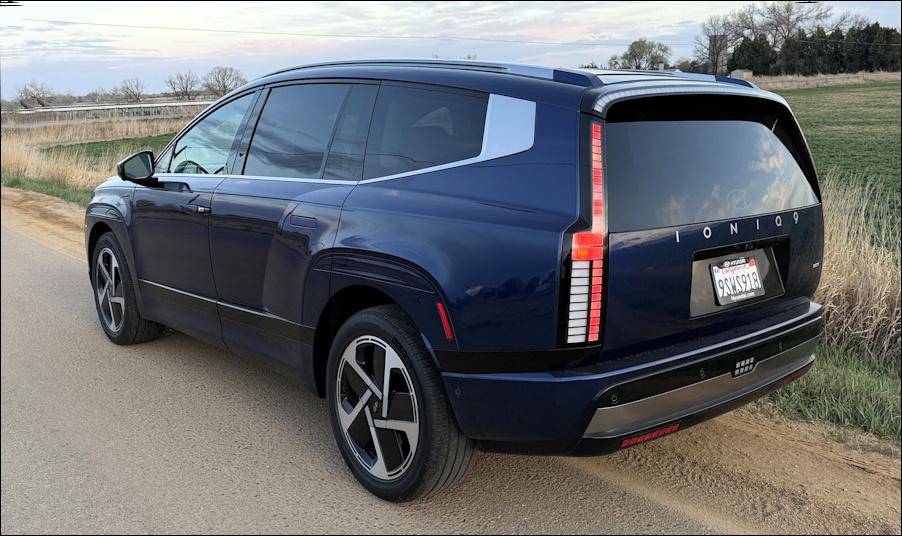
From my first walkaround after drop-off, I really enjoyed the Ioniq 9. It's big, but if you need the space for six or seven in your vehicle and want something with plenty of comfort and luxury, it's a solid option. It also demonstrates that Hyundai can compete directly with the big brands in the luxury space from a design and manufacturing standpoint. If you're looking for a big, comfortable EV, this is one worth checking out.
2026 Hyundai Ioniq 9 AWD Performance Calligraphy 3-row electric SUV. BASE PRICE: $74,990.00. Options included: Carpeted Floor Mats, Vehicle Load Adapter. AS DRIVEN: $77,040.00.
Disclosure: Hyundai loaned me the Ioniq for a week in return for this candid write-up. This article originally appeared on PlanetDave.com with the title The Hyundai Ioniq 9 Calligraphy is a Lovely 7-Seater EV and is republished here with permission from the author.
Hey Dave Taylor wants you to share this!