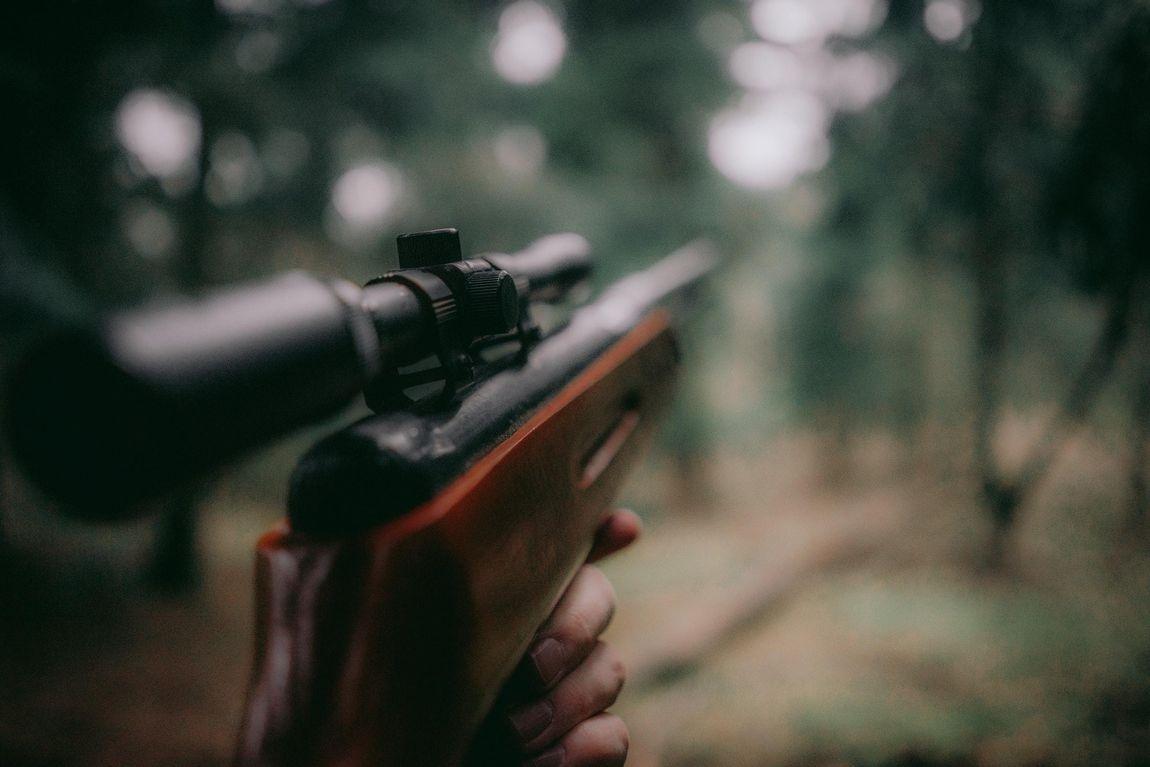
You drove home from the gun store with it boxed up in the trunk, and somewhere around the second stoplight, it hit you - the actual weight of what you just decided. Most new gun owners spend months researching which firearm to buy and about fifteen minutes thinking about everything that comes after. The purchase is the easy part. Here's what actually matters now.
The Four Rules Aren't Suggestions
Every credible firearms instructor starts here, and there's a reason for it. The four fundamental safety rules apply regardless of experience level, regardless of whether the gun is loaded, and regardless of how familiar you are with the firearm in your hand.
- Always treat every firearm as loaded - even if you just checked it, even if you know it isn't
- Never point a gun at anything you're not willing to destroy - muzzle direction is always intentional
- Keep your finger off the trigger until you're ready to shoot - finger straight along the frame, outside the trigger guard, until your sights are on target
- Know your target and what's beyond it - a bullet doesn't stop at the thing you're aiming at
Here's what I tell guys starting out: these rules aren't about being cautious - they're about building habits that hold up when your brain isn't fully engaged. At the end of a long day, half asleep, under stress. The accidents that happen to otherwise responsible gun owners almost always trace back to a moment where one of these rules got treated as optional. Get them into muscle memory now, before any shortcuts have a chance to form.
Where You Learn Matters as Much as What You Learn
YouTube can teach you a lot. It can't watch your grip and tell you you're developing a flinch. That's what an instructor is for.
For most new gun owners, the right starting point is an NRA Basic Pistol course or a USCCA Concealed Carry & Home Defense Fundamentals class. Both are widely available, reasonably priced, and taught by certified instructors who've seen every beginner mistake there is. The USCCA has an edge if concealed carry is on your radar - their curriculum covers the legal side of self-defense in real depth, which is where most new owners are genuinely underprepared.
If you're newly married and your partner is still skeptical about having a firearm in the home, take the class together. It changes the dynamic entirely. What feels like your decision becomes a shared responsibility, and that matters for how the whole household handles it going forward - including how kids learn to think about it as they get older.
One class won't make you competent. It will make you safer immediately and give you a foundation to build on.
Know the Law Before You Need It
Federal law sets the floor. Your state builds on top of it, and the variation is significant enough to get people into serious trouble.
Concealed carry reciprocity is the one that catches new owners off guard most often. Your home state permit may not be recognized two states over, and carrying in a non-reciprocal state can mean felony charges regardless of your intent. Before you travel with a firearm, verify the laws of every state you're passing through - not just your destination.
Self-defense law is the other area most new owners skip. Castle Doctrine and Stand Your Ground provisions vary by state in ways that matter enormously in the moment you need to defend yourself or family. An hour with an attorney who specializes in firearms law is worth more than it costs, and it's the kind of preparation you want done long before you ever need it.
Storage: The Boring Part That Actually Matters Most
This is where most new gun owners underinvest - especially guys with young kids at home. The question isn't whether to lock up your firearm. It's how to do it in a way that actually works for your situation.
Here's a practical breakdown:
Budget ($50-$100): A basic quick-access pistol safe with a spring or simplex lock. Mounts to a nightstand or shelf, keeps children out, and covers the primary home defense bedside setup. Don't expect it to stop a determined adult or protect against water or fire damage.
Mid-range ($150-$300): A biometric or keypad quick-access safe with heavier steel construction. Faster and more reliable access than budget options, meaningfully more tamper-resistant. This is where most new gun owners with kids should land.
Full safe ($400+): For long-term storage of multiple firearms. Fire and water resistance matter at this level - worth the investment once your collection grows beyond one or two.
Cable locks and trigger locks have their place as supplemental layers. They shouldn't be your primary security plan.
Choosing Your First Firearm Without Overthinking It
If you haven't purchased yet, or you're considering a dedicated home defense firearm, narrow the purpose first. A gun optimized for concealed carry and a gun optimized for home defense have different requirements, and trying to cover both in one purchase often means doing neither job well. For a breakdown of what to actually look for by use case, the guide on how to select the right gun for home defense walks through the decision in practical terms.
Reliability beats every other feature on the spec sheet. What matters is whether it feeds, fires, and ejects consistently - and you find that out by putting rounds through it and keeping up with basic maintenance so it stays that way.
Building Skills, Finding Your People
Regular range time matters, but it doesn't have to be expensive. Dry fire at home - snap caps or a laser training cartridge in your actual firearm - builds trigger control faster than most range sessions because the repetition is cheap and the feedback is immediate. Ten minutes several nights a week compounds quickly.
Local gun clubs and shooting leagues are where you meet the people who can answer the questions you don't know to ask yet. An experienced mentor in your first year of ownership saves you money, steers you away from gear mistakes, and shortens the learning curve considerably.
For guys who want to build toward something beyond the range, hunting is one of the most practical paths to developing real-world marksmanship. If you're new to it, deer hunting tips for beginners is a solid entry point - deer hunts are available in almost every state, permits are affordable, and the community is welcoming to new hunters. For something more ambitious down the road, hunting American bison is a bucket-list experience that draws on everything you build as a shooter over time.
The Question You Have to Answer Before You Load It
This is the part most new gun owners skip, and it's arguably the most important: if someone broke into your home tonight and threatened your family, could you pull that trigger?
That's not a hypothetical - it's the premise. If you haven't honestly worked through whether you're prepared to defend yourself or family under stress, in low light, with your family in the house, you're carrying a tool you're not actually ready to use.
This isn't a reason not to own a gun. It's a reason to take the mental side of ownership as seriously as the mechanical side. Defensive mindset training, scenario conversations with your partner, and honest self-assessment about your own thresholds aren't excessive - they're the homework that turns the firearm in your nightstand into an asset rather than a liability.
The Purchase Was the Easy Part
The new generation of gun owners is doing something right: showing up to training, asking questions, and taking storage seriously. That cultural shift matters more than any piece of legislation.
Start with one quality class, one storage solution that fits your budget and your household, and one honest conversation with yourself about why you bought it and what you're actually prepared to do with it. Those three steps - more than any gear upgrade - are what separate a responsible gun owner from someone who just bought a gun. Do them in the first 30 days, not eventually.
Hey James Hills wants you to share this!